New Underdark Species in Dungeons and Dragons: A Guide for Fantasy Illustrators
As VICE reports, Dungeons and Dragons has rolled out five new playable Underdark species in the latest Unearthed Arcana playtest, sitting alongside three additional Underdark-inspired subclasses that…
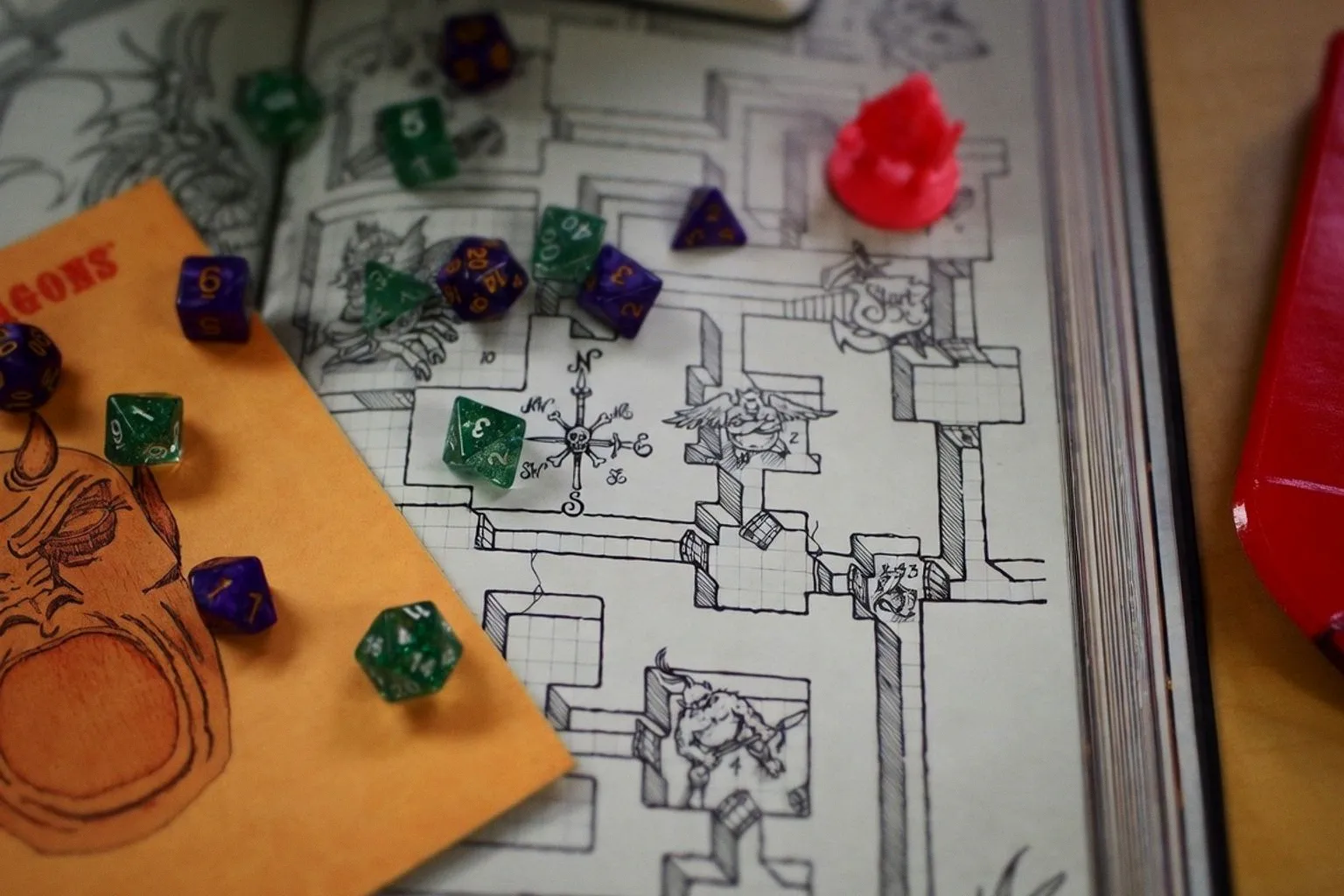
As VICE reports, Dungeons and Dragons has rolled out five new playable Underdark species in the latest Unearthed Arcana playtest, sitting alongside three additional Underdark-inspired subclasses that build on what dropped back in August. For anyone working on TCG commissions or fantasy character work, this is exactly the kind of moment where I tell my mentees to pay attention — not because you need to rush out a portfolio piece tomorrow, but because the next big brief wave tends to start forming about now.
What's actually in the playtest
The new material — titled Underdark Player Options 2 — adds five playable species on top of the existing Drow, Duergar, and Deep Gnomes that players already have access to. According to VICE, the document also includes three new subclasses built around an Underdark theme, and it leans into the idea that your character's origin story can come from below the surface rather than just visiting it. Specific names of the new species aren't in the published snippets, so for the full breakdown you'll want to pull the playtest PDF yourself rather than trust secondhand summaries.
This is playtest material, not a finished release. Wizards runs these documents through community feedback before anything lands in an official book, which means the visual treatment of these species is still in flux. If you build portfolio pieces off the playtest version now, plan to revisit them once the final art direction drops.
What it means for your portfolio right now
Here's where I get practical with you. When a major game line introduces a fresh batch of races, the art director conversations I have tend to follow a predictable rhythm: we get flooded with submissions that all look the same — the same face structure, the same lighting setup, the same handful of Pinterest references. The artists who actually land briefs are usually the ones who started studying the new silhouettes early, but in private.
Pick one or two of the new species once you've read the document. Don't try to illustrate all five. Spend a week just sketching — no rendering, no color, no finals. You're looking for a read on the silhouette, the gesture, the thing that makes a character recognizable at thumbnail size. That's where TCG commissions live or die: a two-inch card sleeve. If your character doesn't read at that scale, the art director is moving on to the next submission.
Then think about what the Underdark offers that surface settings don't. Limited light sources mean you're designing for rim lighting and bioluminescence as primary lighting, not fill. Characters adapted to darkness — now you have an excuse to push that as a deliberate design choice rather than a gimmick. Most surface-fantasy portfolios treat light as ambient and even. The artists who get noticed are the ones who commit to a lighting logic and let it shape the whole piece.
What I'd actually do this week
Read the playtest document straight from the source rather than relying on summaries. Identify the two species that genuinely excite you, not the ones that look like the safest bet for commissions. Sketch them at thumbnail size first. If the silhouette holds up there, you have something worth developing further.
And while you're at it, keep an eye on the broader D&D community too. A University of Canterbury doctoral student named Courtney Matthews recently published research through the Journal of Community & Applied Social Psychology showing that D&D players consistently rate their tabletop groups as among the most positive and supportive in their social networks — which matters for you because this is a community that actually buys art, commissions characters, and supports the artists they follow. The demand side of your brief pipeline is healthy. Make sure the supply side of your portfolio is ready when those new species land in an actual book.