Games Workshop Addresses AI Allegations Following Warhammer Marketing Blunders
If you're building a portfolio right now, you've probably already seen the Games Workshop story rip through the art side of TCG Twitter: IGN reports that Games Workshop confirmed it investigated what…
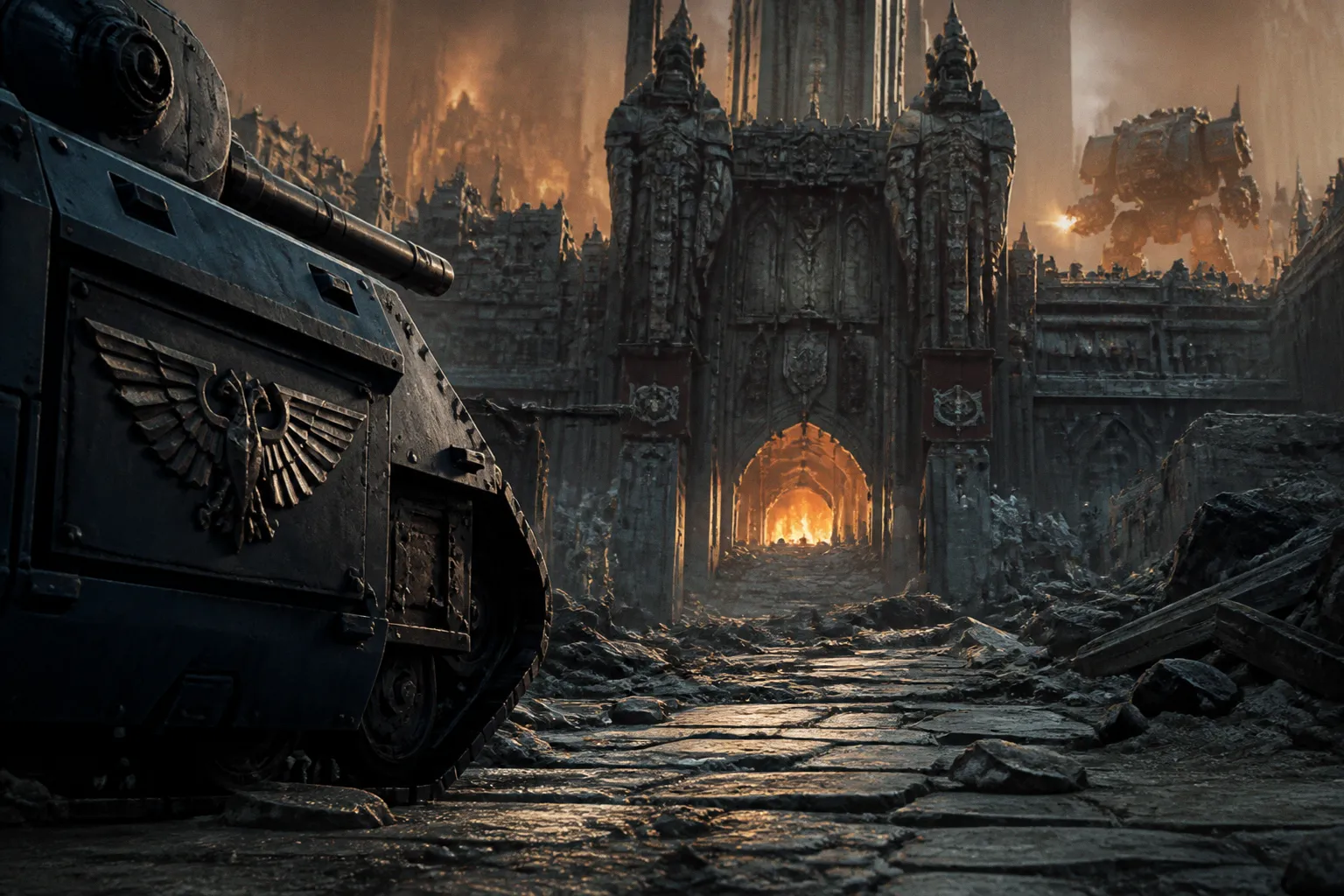
If you're building a portfolio right now, you've probably already seen the Games Workshop story rip through the art side of TCG Twitter: IGN reports that Games Workshop confirmed it investigated what CEO Kevin Rountree called "a few human errors" on the depiction of its products, after fans spotted a Space Marine with an extra finger in official art for Warhammer: The Horus Heresy. The image — units in MkIV 'Maximus' armor on the Warhammer Community site — showed five fingers on the front Marine facing the viewer, which meant a sixth had to be hiding behind the bolter. The community, famously allergic to anything that smells like generative AI, lost its collective mind.
What Actually Happened
GW's official line, posted to Facebook and reiterated in the latest financial report, is that an artist was blending miniature photography with painted art to create a "dramatic scene" — and somewhere in that composite, an extra digit slipped in. The studio also reminded fans that the Horus Heresy art style has leaned on that photo-plus-painting hybrid since the line launched in 2012. No AI use, they say. In January, GW had already banned AI in content production and design outright, and CEO Kevin Rountree doubled down on that stance in the new report. His quote is worth keeping in your swipe file: "We have made a few human errors on the depiction of our products in our product marketing in the year, they were investigated fully to ensure that AI had not been used and that all our staff are following our internal policies."
Why This Matters to Your Brief
Here's the part I want you to actually sit with. The Warhammer fandom didn't go nuclear because one Marine had a weird hand — fans have been drawing, painting, and arguing about six-fingered Space Marines since John Blanche was sketching them. They went nuclear because the AI question has poisoned the well. Every bizarre hand, every melted buckle, every suspiciously smooth background now gets read as a confession. When you're sending work to a TCG art director in 2026, your client isn't just scanning your silhouettes and your rendering anymore. They're squinting at your piece with the same skeptical eye that Warhammer fans trained on that Horus Heresy image. Your job is to make the answer obvious: clear process, real reference, finished details that hold up under the microscope.
What to Check Before You Send
Before you hit submit on your next art drop, run your piece through three quick filters. First, anatomy and props — hands, fingers, eyes, buckles, weapon details. Exactly the kind of stuff that generative tools still can't stop mangling. Second, consistency of style across the whole image, especially if you've composited photo reference the way the Horus Heresy team does. Any seam between elements is where the doubt starts. Third, your own paper trail. Keep layered files, reference boards, and progress shots. A TCG commissioner who's been burned by an AI accusation will quietly favor the artist who can show their work without flinching. You don't need a manifesto on your About page — you need evidence of process that survives a skeptical Reddit thread. That's what separates a portfolio that lands briefs from one that gets quietly passed over.