The Star Wars-Inspired MTG Mechanic That Spent Two Decades in Development
If you've ever stared at a face-down Magic card and wondered how art directors brief that kind of "reveal" moment, you have a mechanic called Foretell to thank — and according to Popverse, that…
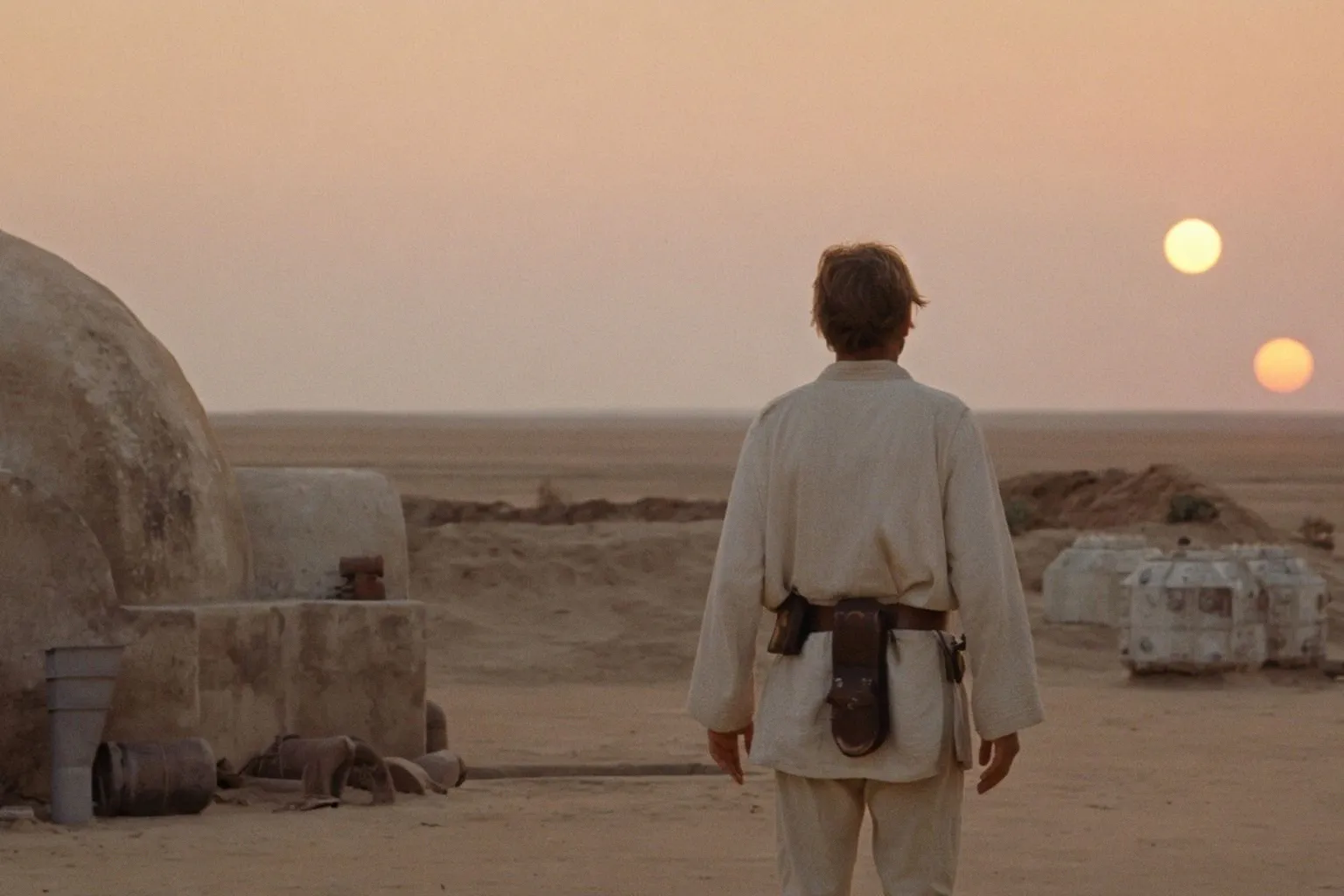
If you've ever stared at a face-down Magic card and wondered how art directors brief that kind of "reveal" moment, you have a mechanic called Foretell to thank — and according to Popverse, that mechanic has a sibling that's been waiting in the wings for over twenty years. MTG head designer Mark Rosewater recently confirmed on his Blogatog that "Layaway," a Star Wars-inspired ability he's been pitching since the early 2000s, is still his white whale. For card artists, this is less design trivia than it sounds — it's a working case study in how a mechanic travels between games, gets reworked, and eventually shapes the kind of art brief you're handed.
What Layaway actually does
Rosewater laid out the original concept directly: "You can exile a card from your hand face down. You may then pay 1 at any time to put counters on it. You are then allowed to cast it from exile {1} cheaper for each counter on it." If that read like Foretell, good eye — he admits Foretell was loosely based on Layaway, which itself came from his work on the Star Wars Trading Card Game back when Wizards of the Coast held that license. He and MTG founder Richard Garfield built out the early concepts and foundational mechanics before handing the game off to others. So the bones of Foretell's structure — exile, counters, delayed cast — were first sketched for a galaxy far, far away.
Why this matters at the art desk
Here's where it gets useful for your portfolio. Every mechanic eventually becomes an illustration brief — and from where I sit as an art director, the ones that ask artists to depict "before and after" states, like face-down turning face-up or dormant becoming active, are notoriously tricky to read at thumbnail size. When Foretell finally made it to print, the briefs asked for compositions that sold mystery on the back and payoff on the front, often across the same piece. A card sitting in exile with counters ticking up is the same problem dressed in different costume: what's the silhouette when you can't see the full art yet? What's the color hook? How does a two-inch reprint survive the translation?
Rosewater's framing says it best: "I've been trying to make layaway for decades, so if I ever get that made it would be layaway." Translation for illustrators: sometimes the brief you're waiting on is the one that teaches you the most about restraint.
What to keep on your radar
Two threads worth tracking. First, Rosewater's own Star Wars history — he and Garfield worked on the original Star Wars TCG in the early 2000s, which means a hypothetical Universes Beyond Star Wars set wouldn't be coming from nowhere. With Wizards' multi-year Disney deal already powering Marvel crossover sets (the recent Marvel Superheroes release added Plan and Teamwork to the mechanic roster), the door looks more open than it did a decade ago. Second, the "delayed mechanic" category itself: Energy is one contender Rosewater cites for longest development, and Layaway is still his white whale. If you're building a portfolio aimed at Wizards or any major TCG publisher, studying how these mechanics finally landed — and what art directions got greenlit versus shelved — is genuinely more useful for your craft than another round of comp copies.
The patience angle is the real takeaway here. Some of the most elegant illustration briefs in card game history have spent two decades in development limbo before someone found the right way to ask for them on paper.