Five-Card MTG Standard Ban Announcement Disrupts Competitive Play
According to MTG Rocks, Magic: The Gathering has been hit by a major Standard ban announcement involving five cards.
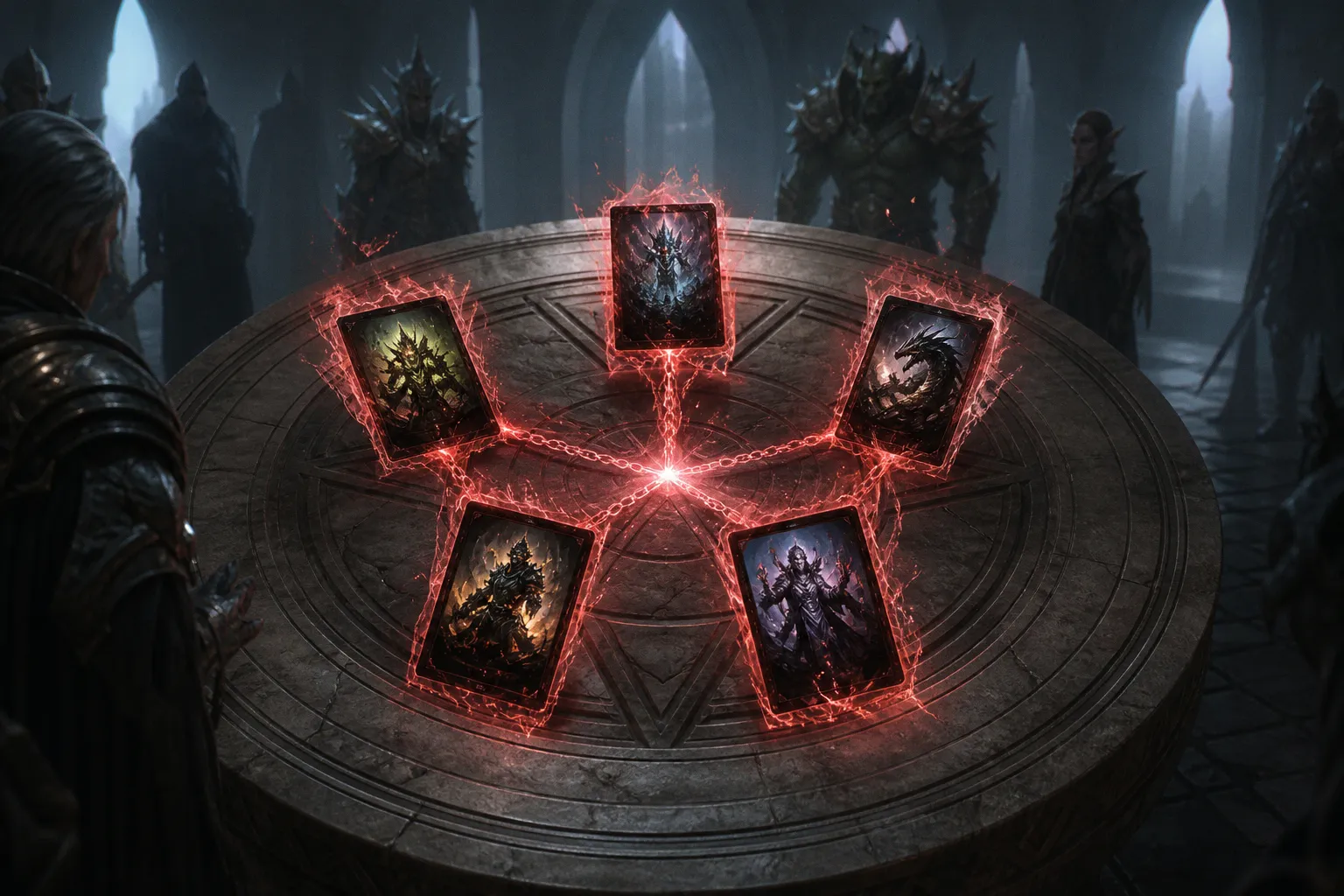
The report describes the move as unexpected, but the available evidence does not identify the cards, the exact formats affected, or when the changes take effect. For anyone tuning a Standard deck—or preparing portfolio work around the current TCG landscape—the practical takeaway is to pause before treating any recent metagame assumptions as stable.
The headline is significant, but the details are not yet available
The report’s title points to a five-card announcement and specifically frames the news around Standard bans. That is enough to flag a meaningful change for competitive players, deck designers, and anyone producing strategy-focused TCG content. It is not enough, however, to reconstruct the announcement responsibly.
The supplied material does not confirm:
- which five cards were banned;
- whether all five changes concern Standard;
- the effective date of the bans;
- the decks or strategies targeted;
- whether any restrictions or changes apply to other formats.
That distinction matters. In Magic coverage, a headline can tell you that the environment has shifted, while the actionable information lives in the card list, legality update, and format-by-format explanation. Without those details, naming likely targets or predicting the next best deck would be guesswork rather than reporting.
What to check before changing a deck
If you are currently testing Standard, do not immediately dismantle a list—or spend wildcards rebuilding one—based only on the announcement headline. First, confirm the official card-by-card update and check whether the changes are actually live in the version of the format you play.
Then review your own testing notes. Which cards were central to your plan? Which matchups depended on a particular engine staying legal? A ban can matter in two ways: it can remove a problem card directly, or it can open space for a strategy that was previously held in check. Your sideboard plan, curve, and removal suite may all need a second look once the complete announcement is available.
For artists working on card-game commissions, this is also a useful reminder about timing. A deck illustration, playmat concept, or promotional piece tied too closely to a current competitive archetype can date quickly when a major ban announcement lands. If the brief requires a metagame-specific visual, make sure the client has confirmed the relevant format and release window before you lock the silhouette, card references, or final art drop.
The next signal is the full announcement
For now, MTG Rocks is the available source for the news, and its headline establishes the scale of the announcement without supplying the supporting breakdown. The responsible route is to wait for the complete list and official timing before making claims about the new Standard environment.
That may feel less satisfying than calling the next dominant deck immediately, but it is the better habit for both testing and publishing. Your portfolio—and your deck—benefits from separating a confirmed format change from the predictions that come afterward.