Why Iconic Illustration Drives the Value of the World's Rarest MTG Cards
If you build TCG art for a living, you learn fast that "rare" and "expensive" aren't really about the card frame — they're about the artwork pulling you in before you even read the rules text.
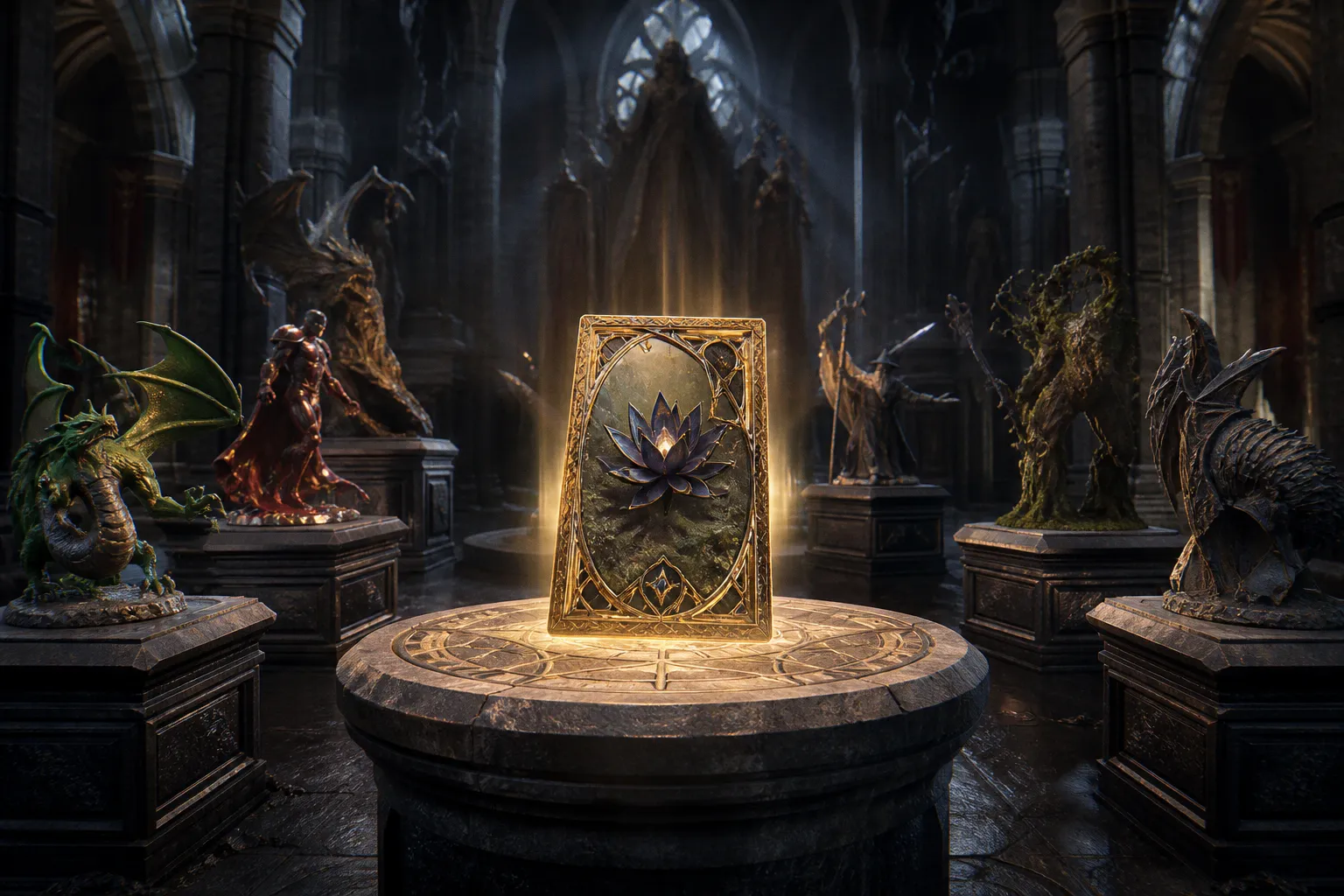
A fresh wave of collector coverage, led by wargamer.com's roundup of the 16 rarest and most expensive MTG cards in the world, has reminded me just how much the chase pieces on store shelves still lean on painting craft to carry the price tag.
The Hobbit set is the current art showstopper
The most detailed picture I've seen lately comes from Joseph Writer Anderson's breakdown of the ten priciest cards from MTG's The Hobbit set, and the artwork is doing real work on those pieces. The centerpiece, Smaug the Magnificent Gleaming Gold, reportedly carries a lowest offer around $25,000 on TCGplayer with only about 500 copies floating around — and across the lineup, the dragon's portrait keeps landing the top slots. Whether it's the Gleaming Splendor Borderless Surge Foil with its retro-fantasy-book-cover vibe or the showcase version of Smaug curled asleep on his hoard, the illustrators leaned into the scale and silhouette of the creature so the card reads at thumbnail size.
That's the lesson, and it's one I whisper to every artist sitting across from me in a portfolio review. A two-inch oil study loses its glazing in print, sure, but a two-inch digital piece loses its focal hierarchy — and the chase cards here just refuse to lose it. The Arkenstone card (Thorin holding the gem, second on that list) works because the eye locks on his hands before the stone. The Gandalf piece with the fireworks cascade reads instantly even as a tiny token. Great card art is a thumbnail test. All of these are passing it.
What this means for your portfolio
If you're commissioning or chasing work in this space, look at what these chase cards share, because it's not luck. The character is centered, the silhouette is unique, the lighting is doing narrative work, and there's strong figure-ground separation so the card pops inside a binder sleeve. Standing in the artist's shoes for a second: you're not painting a novel scene, you're painting a single icon that has to survive shoulder-to-shoulder with fourteen other icons on a retail display. That constraint is the gift, honestly — it forces your composition to be ruthless.
For collectors watching the market, the broader slate of coverage — Draftsim's look at Marvel Super Heroes chase cards and CBR's ranking of dragon-type Pokémon cards — suggests the same playbook is playing out across TCGs right now. Exclusive treatments, low print runs, and reprinted favorites with dramatic new illustrations. That's a trend worth tracking if you're investing in sealed product, or more practically, if you're an artist trying to figure out which publishers are leaning hardest into original illustration jobs.
What to actually check
Pull up the wargamer list and the Hobbit-specific breakdown side by side. Spend five minutes squinting at each card at thumbnail size — if you can't tell what it is, the art isn't doing its job, and that's the gap between a $5 uncommon and a five-figure chase piece. Then look at your own portfolio with the same squint. If your creature work still holds up at two inches, you're ready for the brief. If it doesn't, you know exactly where to push next.