How Metalcore and Magic: The Gathering Are Redefining Fantasy Art Appeal
You know that sinking feeling when you finish a painting, shrink it down for a card frame, and all your careful glazing and subtle color transitions turn to mud? It’s the bane of every fantasy artist’s process.
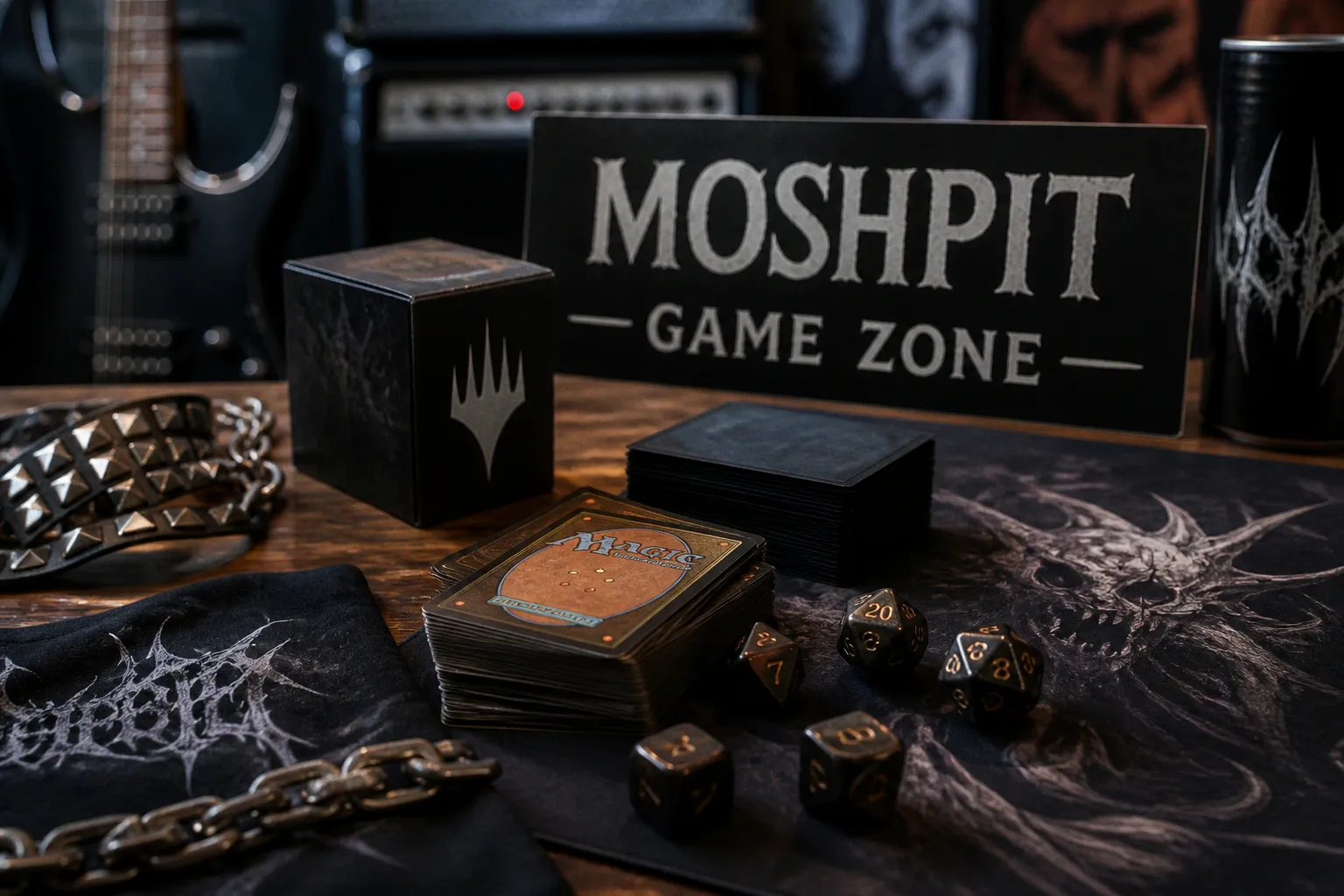
That’s why the recent collision of metalcore and Magic: The Gathering isn’t just a quirky headline—it’s a goldmine of insight into where our audience lives and breathes.
The scene, as reported, was Amsterdam, where the band Atreyu played a Magic Con afterparty. According to the account, booster packs rained from the stage as circle pits opened, with fans crowd-surfing while ripping open packs. For bassist and lifelong MTG fan Porter McKnight, it was a culmination of passions. He describes discovering the game at a sleepover, captivated not by the rules, but by the art and the worlds it built—each color with its own style and environment. That creative spark got him long before music did.
More Than a Gimmick: Art as the Original Connector
What’s crucial here is the why. Porter’s return to the game wasn’t through a rulebook; it was reintroduced by a fellow musician, a shy drummer from the band Within Destruction, who competed digitally. This is how our world works. The initial hook isn’t always the game’s mechanics; it’s the visual language. The silhouette of a demon, the pop of a spell’s effect, the environment of a swampland—this is the brief we, as artists, answer. This event highlights a core truth: the audience for high-fantasy TCG art isn’t monolithic. It includes dedicated players, but also creatives from other disciplines who are drawn to the aesthetic first.
The Crossover Boom: What This Means for Your Portfolio
This isn’t an isolated incident. The report notes exclusive Atreyu/Ultimate Guard playmats were produced for the event. Meanwhile, previews for sets like The Hobbit show the IP is expanding its reach. The practical takeaway? Your portfolio shouldn’t just speak to art directors. It needs to whisper to the cultural corners where fantasy thrives. That means considering compositions that work at thumbnail size, ensuring your creatures have unmistakable silhouettes, and maybe even leaning into themes that resonate beyond the traditional TCG bubble.
The energy of that Amsterdam show—a mosh pit meeting a card pull—represents the kind of vibrant, subcultural fusion that fuels the best fantasy art. It’s a reminder that the communities we create for are rich, multifaceted, and often found in the most unexpected spaces. Your next commission might come from a metalhead who sees your art and feels that same deep, creative stirring Porter did. Make sure your portfolio is ready for that crossover moment.