Analyzing the Art Direction of the New Magic: The Gathering Hobbit Set
As Card Game Base reports, the full 188-card Magic: The Gathering crossover with The Hobbit has now dropped into the open, with the last batch of reveals landing on July 31st.
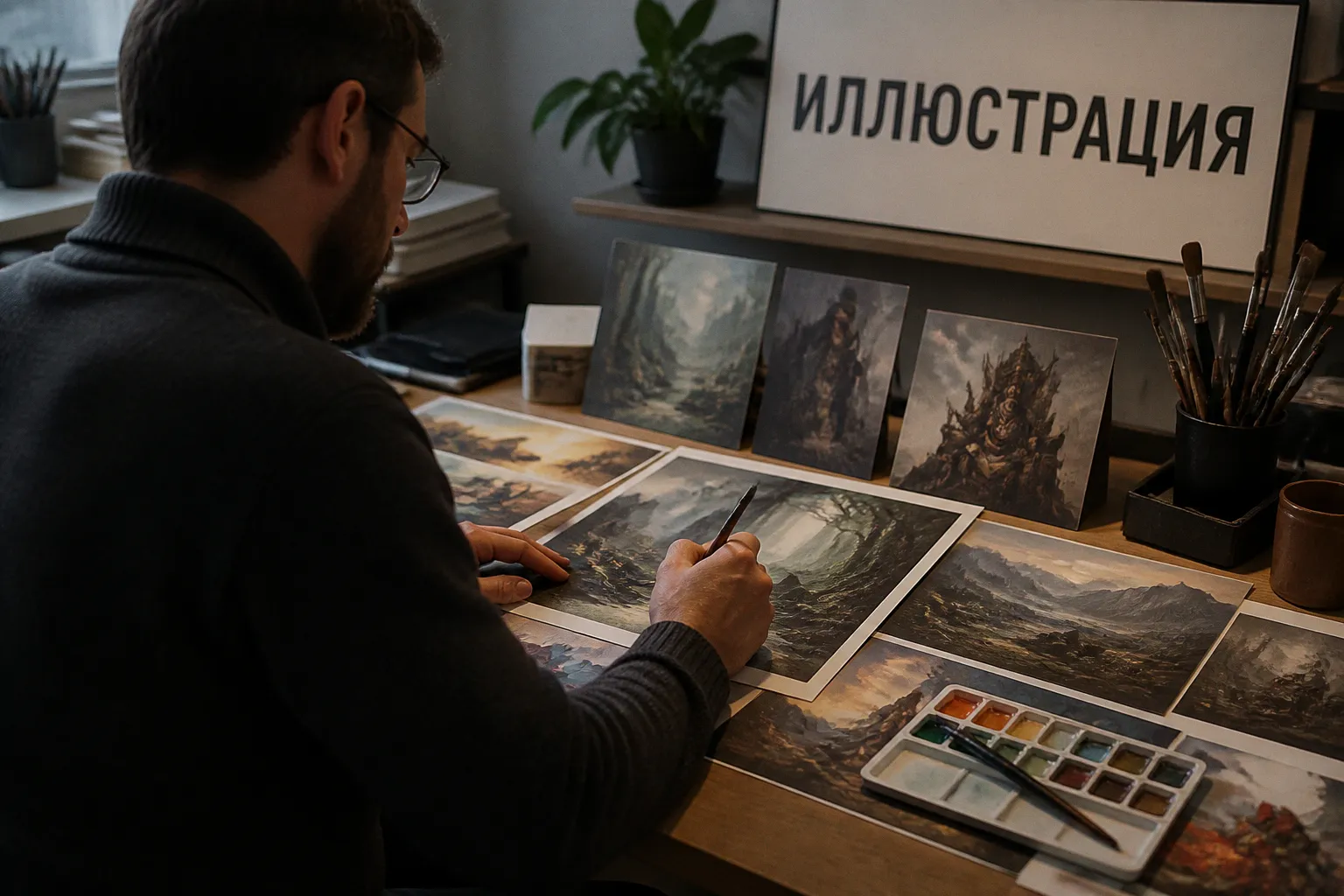
If you're an illustrator watching the TCG space, this set is worth pausing on before prerelease chatter buries what you can actually learn from it.
On the art brief: treatments worth studying
The treatments here are doing a lot of work, and they're a useful case study in how a publisher packages a single IP across audiences without the paintings stepping on each other. Card Game Base walks through several alt-art versions that are worth screenshotting into a study folder: a gleaming gold Smaug positioned as one of the set's headline rares, a Dwarven-themed Arcane Signet that leans into old book-cover styling, and — so far — four Dragon Frame alternates on selected rares and mythics. There's also a five-card Promo Pack variant set, and The One Ring returns as a Box Topper.
What I'd want you to actually do with this: pull each treatment side by side and look at what the artist had to solve. The gold Smaug isn't just "Smaug, but gold." The brief demanded that the silhouette and value structure survive a heavy metallic stamp. That is a real portfolio lesson — when your art gets pushed through an unusual print process, contrast and shape are doing more of the storytelling than the linework is. The Arcane Signet treatment is the flip side of the same test: small object, ornate frame around it, the artist has to earn the focal hierarchy inside a tight window.
Products to know if you're pitching crossover IP
The split between Play Boosters, Collector Boosters, Scene Boxes, Bundles, the Gift Bundle, and a Commander Deck is worth a glance too. Not because you'll be buying all of it, but because if you ever brief or pitch a crossover set, this is roughly how a major publisher now segments an audience by budget and intent. Scene Boxes, in particular, hold six exclusive cards that line up into an iconic film moment, plus three Play Boosters — that's narrative sequencing built into a product. When you're pitching how your own illustration might stretch across a card cycle, this is the kind of reference you can point at.
Two token types get called out — Food and Treasure — which means there are token card designs floating in this set. Token cards are an underrated corner of TCG briefs because the frame is smaller, the art panel is a different proportion, and the composition has to read instantly at thumbnail size. If your portfolio doesn't have one yet, this is a good moment to design one.
What to keep an eye on
A few things aren't pinned down in the spoilers yet: the exact contents of the Promo Pack are still described as unknown, and the wider release calendar will firm up later. Separately, Polygon noted that 25 wild cards surfaced in a Mystery Booster Commander reveal on August 3rd — worth keeping on your radar if you're collecting reference for how off-meta briefs get handled, since the most interesting TCG art briefs are rarely the obvious ones.
The homework I'd give a junior artist this week is small but real: pick two cards from this reveal that share a character, compare their readability at thumbnail size, and write three sentences on why one survives the shrink better than the other. That's the working muscle this kind of crossover trains, and it's the same muscle that decides which of your pieces make it into a commissioner's shortlist.