The Reality of Indie TTRPG Publishing: Why Art Direction Defines Your Success
The SciFiPulse conversation treats artwork as a core production decision, not a finishing touch, and that framing is correct.
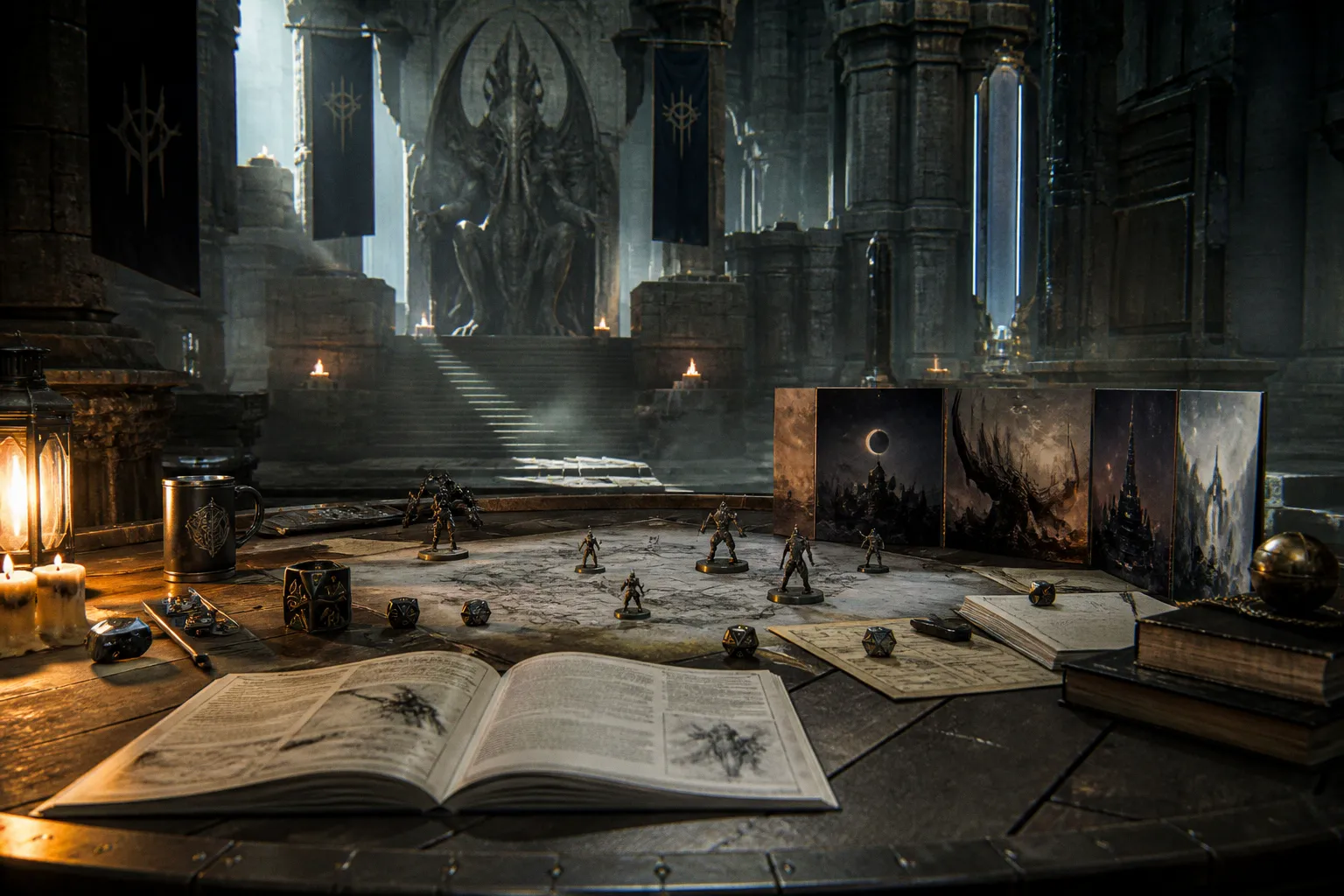
If you've ever wondered what it actually takes to get a tabletop RPG from your hard drive onto a table, SciFiPulse.Net's latest Art of the Game episode digs into exactly that. The discussion walks through the unglamorous middle of indie publishing — page layout, artwork, software choices, printing, crowdfunding, and licensing — and it's aimed squarely at first-time designers and folks already deep in the process.
For artists watching the TTRPG space, the art side of that list is where things get genuinely interesting, and where your portfolio either opens doors or quietly closes them.
Why art sits at the center of an indie TTRPG
Here's the thing most first-time designers learn the hard way: in a small-press RPG, your art isn't decoration — it is half the product. The SciFiPulse conversation treats artwork as a core production decision, not a finishing touch, and that framing is correct. Page layout, art direction, and the software you build the book in all interact, and if illustration is something you'll "figure out later," you tend to pay for it twice.
If you're an illustrator reading along, that's actually good news. Well-prepared artists who understand how a book's art budget, page count, and print specs fit together are rare, and the indie scene notices.
What to listen for if you're commissioning or pitching
The episode runs through a stack of practical moving parts — crowdfunding, licensing, printing logistics — but for an artist, the smart questions to track are narrower:
- How early does art get planned in the timeline? A layout-first workflow and an art-first workflow produce very different books, and the brief you receive changes accordingly.
- What's the licensing model? Work-for-hire, royalty share, and creator-credited commissions each shift how you price and protect your work.
- Who's directing the visual cohesion? Without an art director, even strong individual pieces can read as a mismatched stack rather than a world.
These are the conversations that separate a smooth indie launch from a Kickstarter that ships two years late with art nobody approved in context.
What to do with this if you're building a TTRPG-adjacent portfolio
You don't need a shipped game under your belt to signal that you understand this world. A few portfolio tweaks go a long way:
- Show at least one piece in a page-layout context — a character sheet, a chapter opener, a bestiary spread. It tells a commissioning editor you understand how your work will live on the page.
- Include a short line about your process and licensing defaults somewhere a designer can find it. "Available for TTRPG commissions, rights and rates on request" beats silence every time.
- Pick one or two indie games you admire and study how their art is credited, paced, and printed. You'll start to see the fingerprints of every decision the episode describes.
SciFiPulse.Net is inviting readers to share their own publishing, crowdfunding, or first-game experiences in the comments, and that's worth doing if you have a story — the wins and the near-misses both teach the next designer something useful.
The episode is a good nudge for any artist who's been treating the indie TTRPG market as a side door. It isn't a side door. It's a whole floor of the industry, and showing up with a portfolio that already thinks about page layout and licensing is how you get invited into the room before the Kickstarter goes live.