Why Fantasy Illustrators Should Study the Massive Warmachine Lore Collection
According to a recent report from Wargamer, a Warmachine digital lore bundle is currently offering 41 fantasy books for around $30.
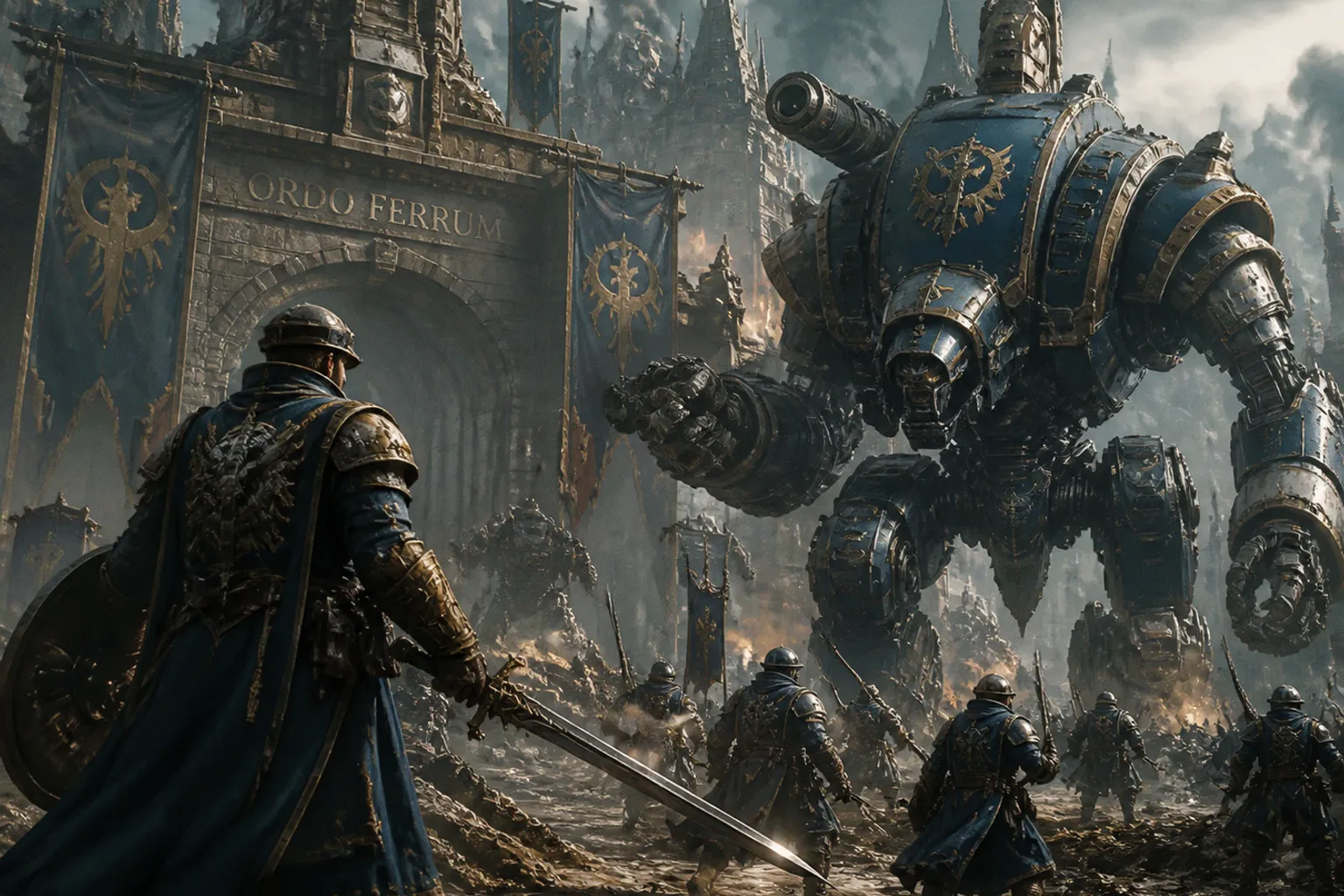
A Lore Bundle Worth Flipping Through — Even If You Never Play a Game
If you've ever struggled to find dense, internally consistent world-building material that doesn't cost a fortune, this is the kind of deal worth bookmarking — not for the gaming, but for the art direction hiding inside those pages.
Why This Matters If You Paint Fantasy for a Living
Here's something I wish someone had told me early on: the best TCG and fantasy art directors don't just want technically proficient paintings. They want artists who understand the worlds they're painting into. When you get a brief for a steampunk warjack or a faction-specific arcane engine, the difference between a portfolio piece that reads as generic fantasy and one that feels like it belongs in a specific universe comes down to visual literacy — and that literacy is built by consuming the source material.
Warmachine's Iron Kingdoms setting is a genuinely rich visual sandbox. The blend of arcane magic and industrial machinery, the faction-specific aesthetics, the way creature design ties into lore — these are exactly the kinds of visual problems that show up in real briefs from publishers like Privateer Press, or in adjacent TCG work. Forty-one books of that material for under a dollar each is, frankly, a reference library you'd be hard-pressed to replicate by scrolling Pinterest.
What to Actually Do With It
Don't just download it and let it sit in a folder. Pick two or three faction aesthetics that genuinely interest you and study how the written lore translates into visual identity. Ask yourself: if I were handed a brief from this world, could I design a character or environment that feels like it belongs? That exercise — reading lore, then painting from it — is closer to real client work than most personal projects artists tend to default to.
If you're building a portfolio aimed at the tabletop or card game market, having work that demonstrates you can inhabit an existing visual language, not just invent one from scratch, is a quiet differentiator. Art directors notice.