Behind the Scenes: How Tolkien Scholar Jason Fisher Developed Magic’s Dwarvish Runes
The MMORPG piece, headlined "How Magic's Dwarvish Language Cards Came To Be," puts Fisher — a Tolkien scholar — at the center of the conversation about the set's constructed-language work.
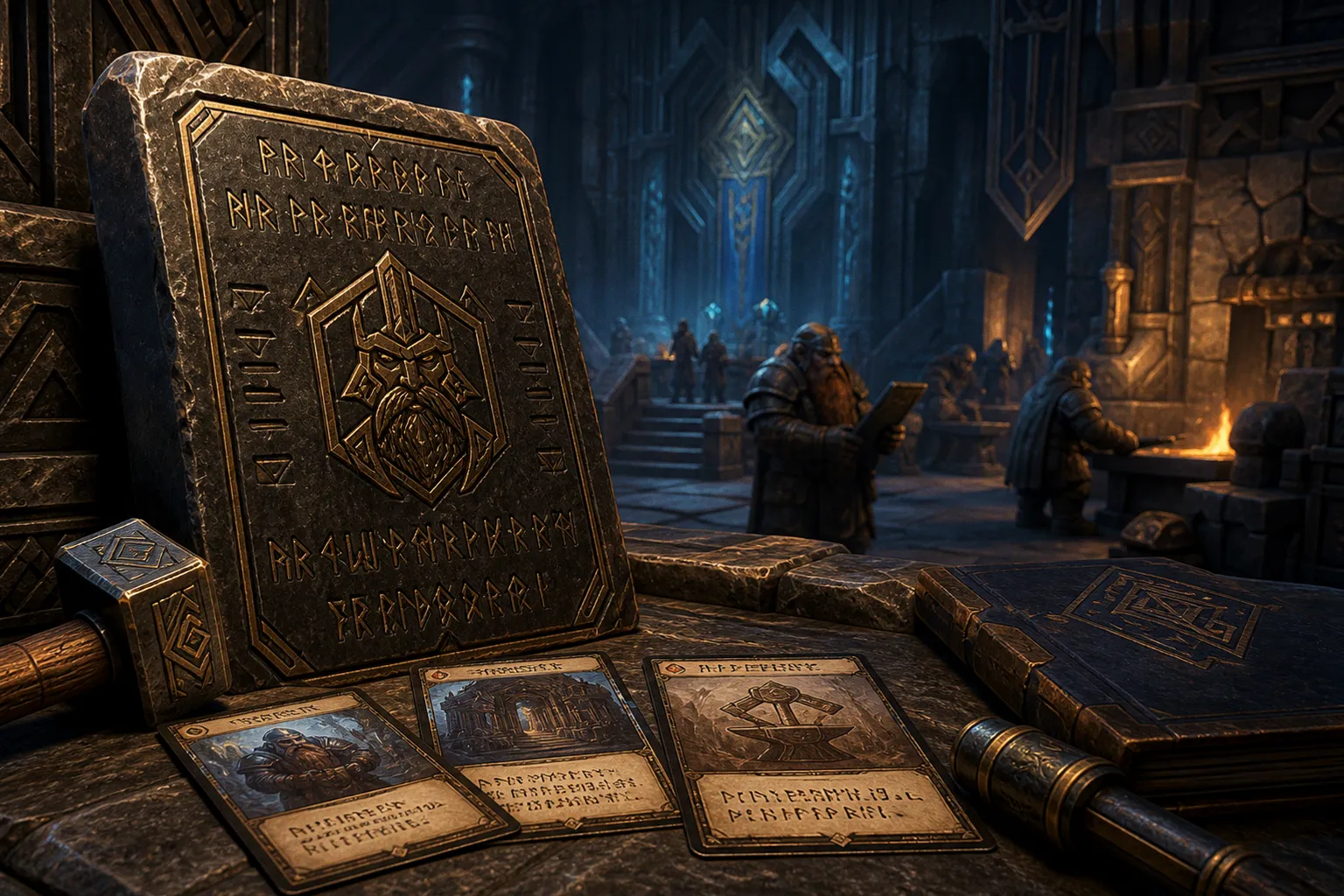
An interview published on MMORPG.com sits down with Tolkien scholar Jason Fisher to walk through how Magic's Dwarvish language cards came together — the kind of behind-the-credits work that almost never makes it into a portfolio review but absolutely belongs there.
What the interview covers
If you've ever flipped a Dwarvish Magic card and wondered who actually wrote that runic line, this is your read-through. The press snippet doesn't carry the full transcript, so treat the interview itself as your entry point; what it confirms is that Fisher is the named scholar on record for this corner of Magic's design, and the headline frames the cards as a project worth tracing from brief to print.
Why this matters for your portfolio
Here's the part I'd push you to sit with. Specialty type and constructed languages are a recurring brief in TCG commissions, and the artists who land those slots usually show the homework — reference notes, a credited consultant relationship, iterative sketches — not just the final art. A card with a short Dwarvish line took the same pipeline as a fantasy book cover: scholar, editor, art director sign-off, then you at the easel. When you're prepping your portfolio for a Wizards-adjacent brief or an indie TCG that loves its constructed-world polish, a page that shows your process on letterforms reads differently than a clean painted rectangle. Even a couple of glyph studies alongside your finished piece — annotated, with a note on who advised you — signals that you understand the pipeline. I've commissioned both kinds of pages. The process one shortlists; the pretty one waits.
Other Magic beats worth tracking this week
ICv2 reports Wizards of the Coast has unveiled "A Perfectly Normal Superdrop" for Magic: The Gathering, which is the umbrella framing for upcoming releases worth tracking if you're timing pitches around new set windows. The name itself reads as a wink, but the cadence matters: a "superdrop" implies a tighter clustering of releases, which means more art director calls per quarter and more freelance briefs going out. Polygon also has a lighter read ranking Magic's ten funniest meme cards of all time — useful as a reminder of how humor, mechanics, and art direction braid together on a single card frame, and which illustrators leaned into the joke rather than leaning out. A ranked list won't teach you craft, but the artist credits underneath it will tell you who's still getting recalled by name. Both are skim-worthy pieces; the Fisher interview is the read.