Designing Fantasy Art for Magic: The Gathering: Lessons from The Hobbit Uncommons
According to IGN India, Magic: The Gathering is heading back to Middle-earth with a The Hobbit crossover, and three cards from the main set have received an early reveal.
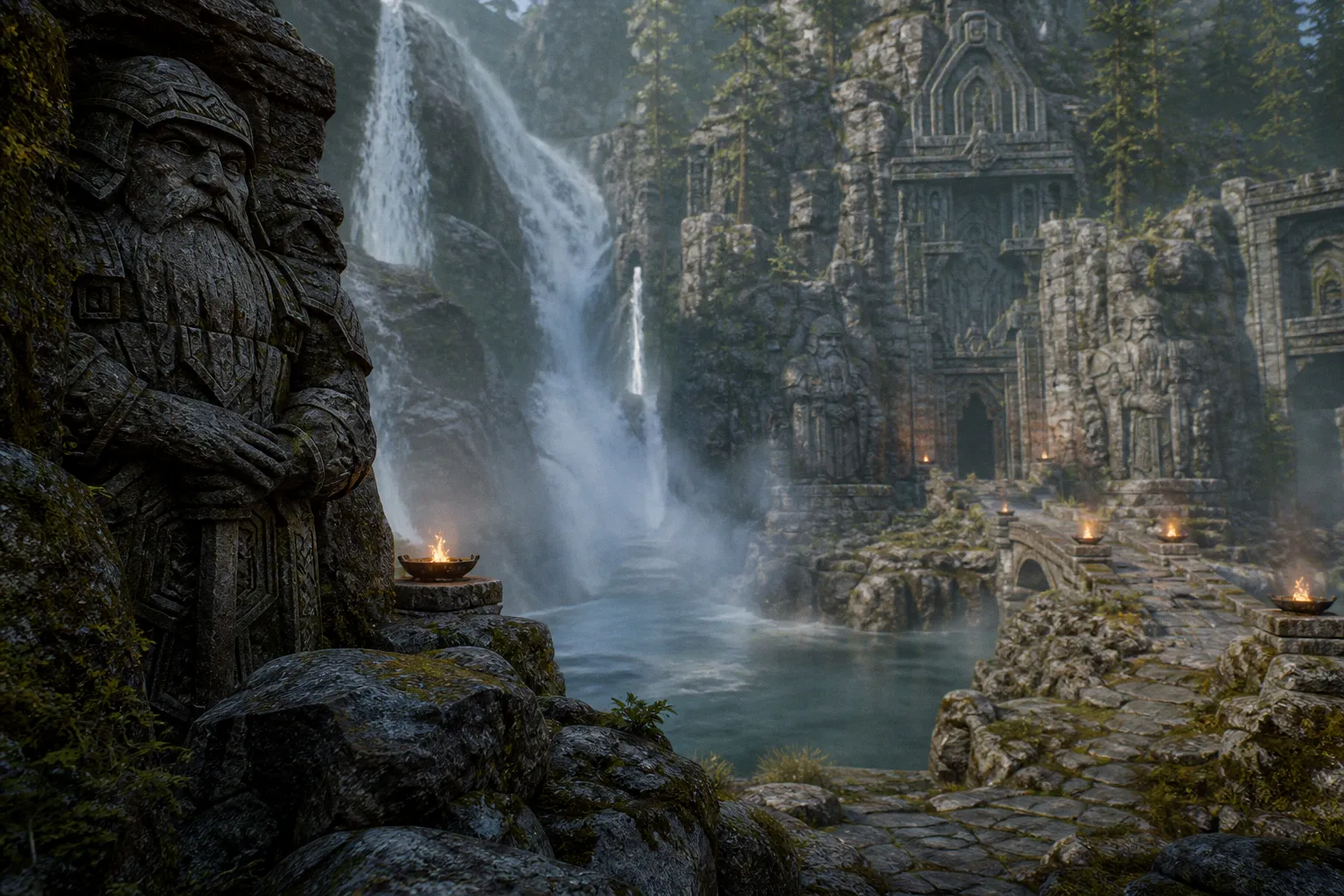
For artists who study TCG briefs, the useful part is not simply that dwarves, dragons and goblins are back on the card frame—it is that these are uncommon cards designed to do real work in play. That is where a fantasy illustration has to keep its silhouette, story beat and focal point when it is shrunk to card size.
Uncommon is a demanding brief
IGN India reports that all three previewed cards are uncommons, legal in both Standard and Commander. That rarity matters for anyone building a portfolio aimed at card games: an uncommon is not a decorative pause between splashy mythics. It needs to be readable across repeated games, often inside Draft and Sealed environments where players make quick decisions from a crowded board.
The revealed cards are described as supporting Limited play patterns. Nasty Little Rabbit is a green payoff for a theme involving creatures with at least four power, arriving early and growing into the middle stages of a match. Fearsome Goblin Pair supports a red-black goblin theme and the “amass” mechanic, which builds an increasingly large Goblin Army.
That gives you a clean portfolio reminder. If the rules text asks the player to understand growth, power, a creature type, or a building army, your image should not fight that job. A strong silhouette and one unmistakable narrative read will usually land harder than subtle atmosphere that disappears at two inches tall.
Illustration should serve the game’s visual grammar
I always tell emerging artists to look past the franchise label in a brief. “The Hobbit” brings an enormous amount of pre-existing imaginative baggage, but a successful Magic commission still has to behave like Magic art. The image must leave room for the card’s name and text, carry a readable central action, and make the gameplay fantasy feel immediate rather than merely familiar.
For a creature such as Nasty Little Rabbit, the challenge is likely tonal clarity: “small” and “eventually bigger” is a useful visual tension, but the figure cannot become muddy or cute by accident. For goblins and amass, the danger is the opposite—too many small marks, no hierarchy, and the army reads as texture instead of threat. You want the eye to find the leader, the mass, then the direction of the action almost instantly.
That is the kind of thinking worth showing in your portfolio. Include the final crop, but also demonstrate that you can compose for the frame: value grouping, clean depth separation, and an image that still has pop after reduction.
What to watch as the set develops
The earlier Lord of the Rings Magic crossover debuted in 2023, and this new set is centred on its prequel, The Hobbit, according to IGN India. The first previews point toward a set concerned not only with landmark characters or collector appeal, but with archetypes players will encounter in Draft, Sealed and prerelease play.
For illustrators, keep an eye on how later card reveals distribute visual emphasis between intimate creature moments, massed factions and major fantasy set pieces. For collectors and players, the practical question is how consistently the art communicates those mechanics at a glance. The best card art drop is never just a handsome painting—it is an image that tells you what kind of game you are about to have.