Why Paizo’s Massive DriveThruRPG Archive Is Essential for Fantasy Illustrators
According to Blizzard Watch, the release covers 1,200+ PDF titles across both product lines, and DriveThruRPG plans to add print ordering and a connection back to Paizo's own store in the near future.
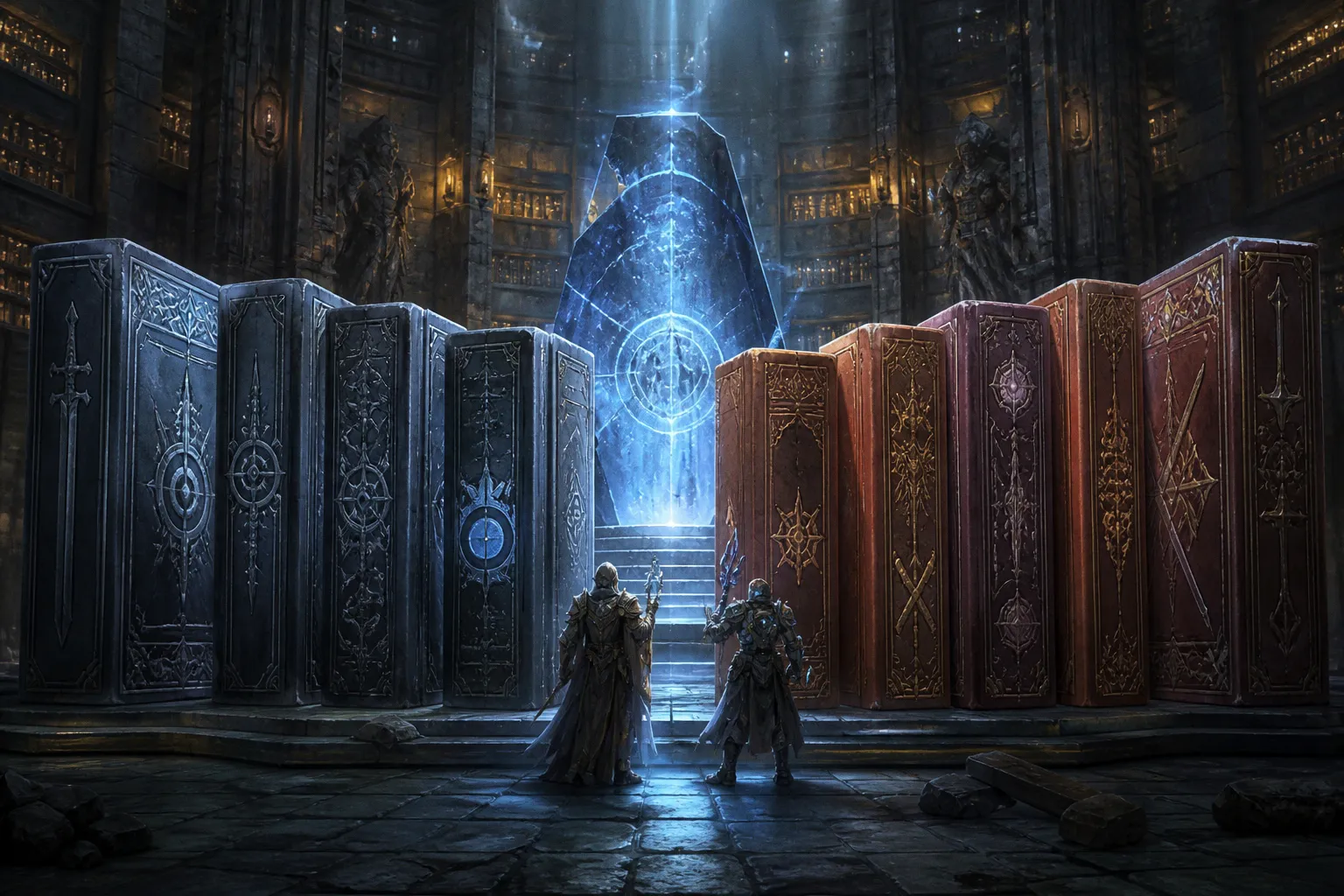
Paizo just dropped its full Pathfinder and Starfinder back catalog onto DriveThruRPG — over 1,200 PDF titles covering more than twenty years of tabletop publishing. For any fantasy illustrator building a portfolio toward TCG and RPG briefs, this is essentially a working reference library of creature design, character work, and worldbuilding art that's been locked behind print scarcity and secondhand pricing for far too long.
What's actually in the catalog
Both first and second edition Pathfinder books are there, alongside the full Starfinder line. According to Blizzard Watch, the release covers 1,200+ PDF titles across both product lines, and DriveThruRPG plans to add print ordering and a connection back to Paizo's own store in the near future. DriveThruRPG's founder Steve Wieck compared the move to "getting Spotify to offer The Beatles," which tells you how significant the licensing conversation was behind the scenes. The third-party Paizo content was already on the platform; what was missing was the first-party back catalog, and that's the gap that just closed.
Why this matters to your art practice
Here's the thing — when you're prepping a TCG submission or an RPG pitch, your visual reference matters as much as your sketchbook does. Pathfinder alone has run monster illustrations, character portraits, location spreads, and full creature reveals across hundreds of products and a rotating cast of art directors. That range is a working catalog of how briefs get interpreted under pressure: how a beholder-adjacent aberration gets redesigned between editions, how a samurai-style PC reads at thumbnail size, how a starship interior holds composition across a two-page spread.
If your portfolio leans fantasy, you should be looking at this the same way you'd study any active publisher's line — not to copy, but to learn the house language. Notice which artists keep appearing on covers versus interiors. Pay attention to what gets simplified versus what gets detailed when you shrink it down to two inches. The glazing and texture work you admire in print originals is doing very different jobs at thumbnail scale, and that's a lesson worth pulling straight from the source.
Where to start browsing
Pick a creature category you already draw — demons, dragons, elementals, undead, the weirder Starfinder aliens — and walk that category backward through the editions. You'll see how the brief shifts, how palette choices evolve between print runs, and which compositional moves carry across product lines. Bring those observations back to your own work; that's how your samples start reading like someone who understands the industry, not someone who just likes the genre.