The Anatomy of Omega-3: Deconstructing Dose Forms
Most supplement labels fail exactly like bad sci-fi covers: they try to paint the whole galaxy instead of focusing on the narrative hook. We strip away the marketing gloss to examine the raw mechanics of Omega-3 delivery systems.
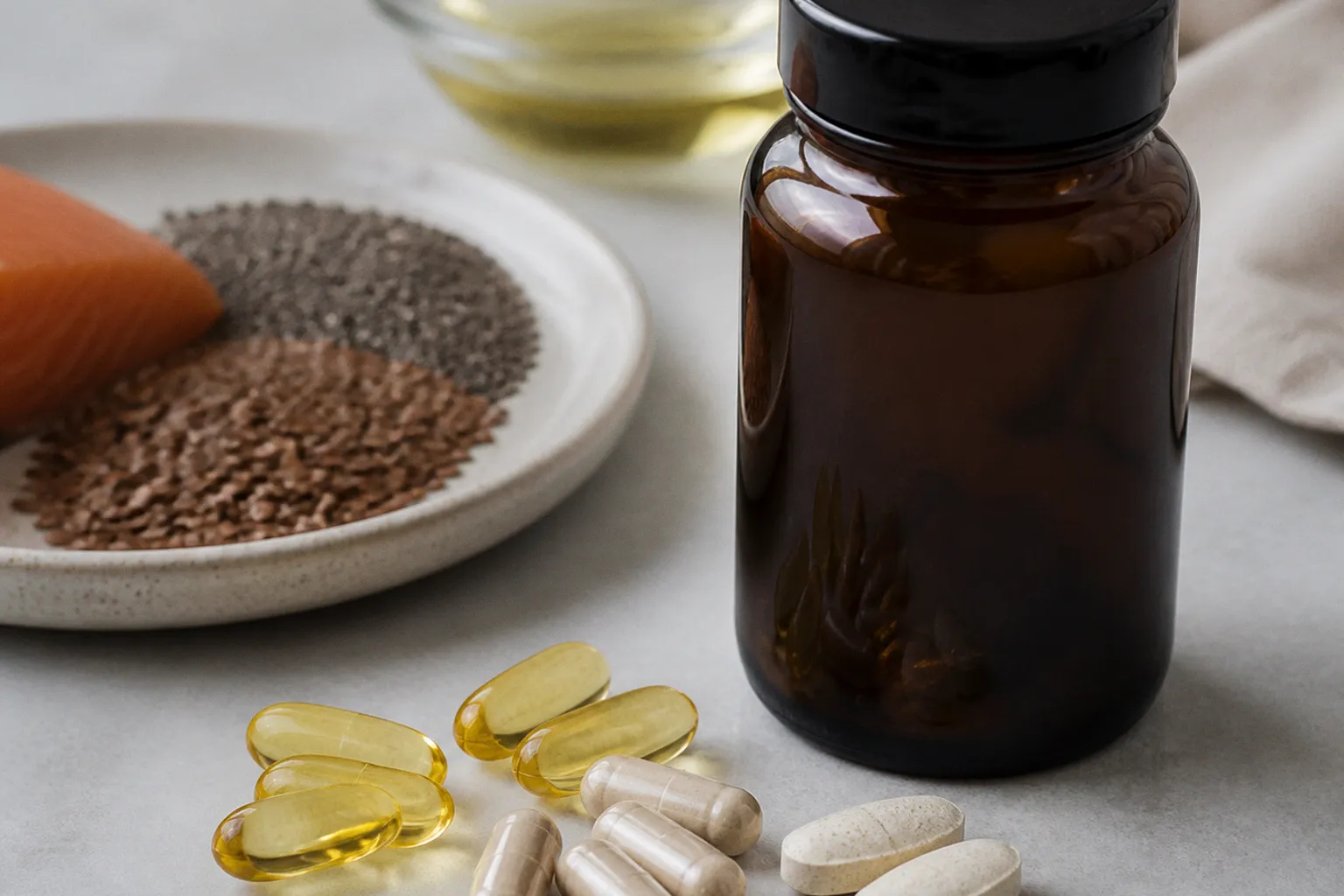
Most sci-fi book covers fail for one simple reason: the artist tries to paint the entire galaxy instead of framing the actual narrative hook. The publishing market is littered with sprawling, muddy compositions that promise epic space battles but deliver zero structural focus. The commercial supplement industry operates on the exact same flawed mechanics. When you look for a good omega 3 supplement, you are immediately assaulted by a chaotic visual hierarchy of buzzwords—"Wild Caught," "Mega Dose," "Heart Health"—all designed to distract you from the only metric that actually matters: the delivery form and the active yield.
At a glance
- NOW Foods Ultra Omega-3 Fish Oil, 180 Weichkapseln — The structurally sound baseline for those who want high precision and zero sensory drama.
- California Gold Nutrition Cod Liver Oil, 200 ml — The raw, unfiltered liquid render for users prioritizing absolute dose control and low cost.
- Barlean's Seriously Delicious Omega-3 Fish Oil, 454 g — A highly produced emulsion designed for those who physically cannot tolerate standard softgels or raw liquids.
- BrainMD Vegan Omega-3 Power, 60 vegane Weichkapseln — The plant-based alternative that bypasses the marine supply chain entirely.
- Nordic Naturals Ultimate Omega 2X, 120 Weichkapseln — The premium, high-contrast focal point for users demanding maximum concentration in minimal physical space.
- Culturelle 3-in-1 Komplett-Probiotikum mit Omega-3-Fettsäuren, 30 Kapseln — A hybrid composition for those looking to collapse two daily routines into a single frame.
Our picks: Omega-3 Delivery Forms
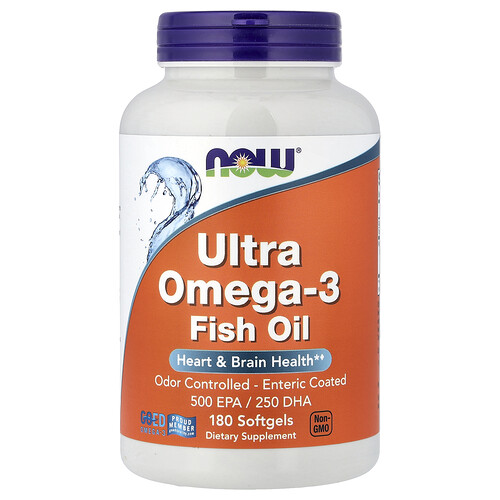
Best for: The structurally sound baseline for those who want high precision and zero sensory drama.
Pros
- High EPA/DHA concentration per softgel
- Excellent price-to-yield ratio
- Enteric coating minimizes gastric reflux
Cons: Large physical pill size · Requires swallowing multiple units for massive doses
What to watch: Check the label for potential soy derivatives if you have severe allergies.
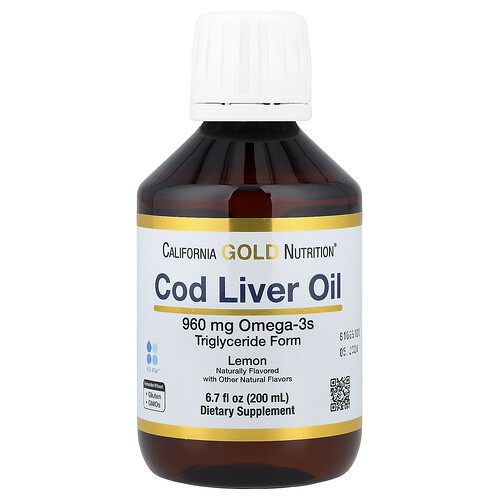
Best for: The raw, unfiltered liquid render for users prioritizing absolute dose control and low cost.
Pros
- Total control over the exact dosage
- Includes naturally occurring Vitamins A and D
- Highly cost-effective per serving
Cons: The liquid form demands strict refrigeration · Natural lemon flavor barely masks the fishy reality
What to watch: Liquid oils oxidize rapidly once opened; monitor the expiration and smell closely.
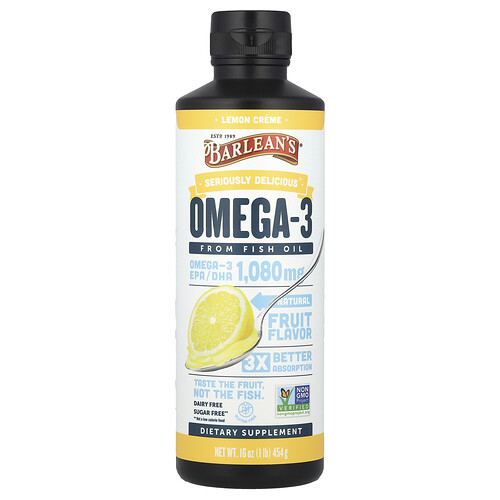
Best for: A highly produced emulsion designed for those who physically cannot tolerate standard softgels or raw liquids.
Pros
- Exceptional taste and texture
- Completely eliminates fish burps
- Easy to mix into smoothies or yogurt
Cons: You pay a steep premium for flavoring and water weight · Lower EPA/DHA density per physical gram
What to watch: Contains added sugar alcohols or sweeteners which might upset sensitive digestion.
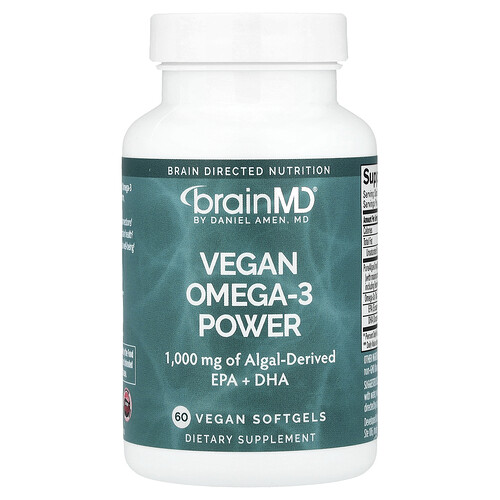
Best for: The plant-based alternative that bypasses the marine supply chain entirely.
Pros
- Sourced directly from algae
- Zero fishy aftertaste or reflux
- Environmentally sustainable composition
Cons: Extremely high price point per serving · Lower overall yield compared to marine concentrates
What to watch: The lower dosage means you must strictly monitor your intake to ensure adequate EPA/DHA levels.
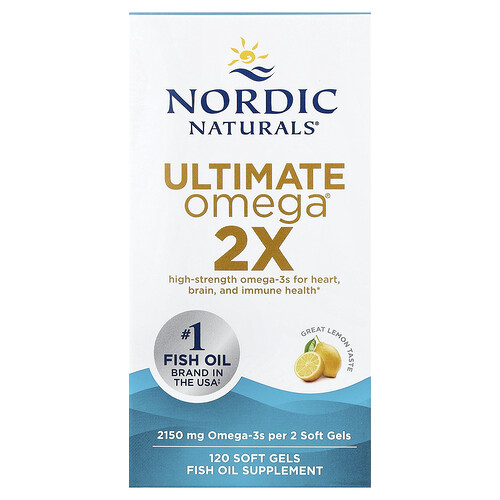
Best for: The premium, high-contrast focal point for users demanding maximum concentration in minimal physical space.
Pros
- Massive 1,075 mg yield per softgel
- Triglyceride form for faster biological absorption
- Rigorous third-party testing and purity standards
Cons: The price tag is aggressively high · Overkill for casual, baseline supplementation
What to watch: High-dose omega-3s can thin the blood; consult a physician if you are on anticoagulant medication.
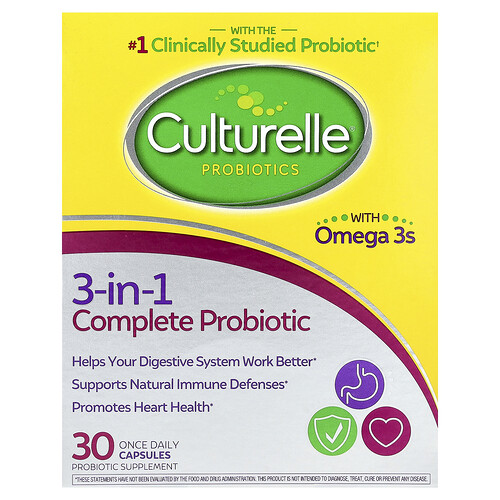
Best for: A hybrid composition for those looking to collapse two daily routines into a single frame.
Pros
- Combines gut flora support with basic fatty acids
- High convenience factor for travel
- Requires only a single daily dose
Cons: The Omega-3 yield is a background element, not the main feature · Expensive for a mere 30-day supply
What to watch: The low fatty acid dose will not correct a severe Omega-3 deficit; treat it as a probiotic first.
| Product | Price | Rating | Best for |
|---|---|---|---|
| NOW Foods Ultra Omega-3 Fish Oil, 180 Weichkapseln | €37.43 | ★ 4.8/5 · 135,525 reviews | The structurally sound baseline for those who want high precision and zero sensory drama. |
| California Gold Nutrition Cod Liver Oil, 200 ml | €16.93 | ★ 4.8/5 · 2,730 reviews | The raw, unfiltered liquid render for users prioritizing absolute dose control and low cost. |
| Barlean's Seriously Delicious Omega-3 Fish Oil, 454 g | €40.46 | ★ 4.8/5 · 426 reviews | A highly produced emulsion designed for those who physically cannot tolerate standard softgels or raw liquids. |
| BrainMD Vegan Omega-3 Power, 60 vegane Weichkapseln | €61.11 | ★ 4.6/5 · 94 reviews | The plant-based alternative that bypasses the marine supply chain entirely. |
| Nordic Naturals Ultimate Omega 2X, 120 Weichkapseln | €98.19 | ★ 4.9/5 · 3,434 reviews | The premium, high-contrast focal point for users demanding maximum concentration in minimal physical space. |
| Culturelle 3-in-1 Komplett-Probiotikum mit Omega-3-Fettsäuren, 30 Kapseln | €32.80 | ★ 4.6/5 · 146 reviews | A hybrid composition for those looking to collapse two daily routines into a single frame. |
We need to cut through the romance of the "miracle oil" and look at the raw mechanics of composition. A supplement is simply a delivery vehicle. How efficiently does it transport EPA and DHA into your system? The answer depends entirely on the dose form you choose. Softgels, liquids, emulsions, and hybrid capsules each demand a specific structural compromise. You are always paying a cost, whether in convenience, taste, dosing precision, or sheer financial markup.
Understanding these forms is like understanding your color palette before you start painting. If you choose a liquid, you gain absolute precision but sacrifice stability. If you choose an emulsion, you buy flavor but dilute the active ingredients. There is no perfect render here, only the pragmatic choice of which mechanical trade-off you are willing to tolerate to maintain a daily routine. Let us deconstruct the options.
What defines the visual hierarchy of an Omega-3 label?
The true focal point must always be the combined EPA and DHA yield per serving, not the total fish oil weight. Everything else is just background noise designed to fill negative space. Brands routinely boast "1,000 mg of Fish Oil" on the front label, while the back panel reveals a meager 300 mg of actual active fatty acids. This is a classic bait-and-switch in commercial framing, forcing you to consume more physical volume to achieve a baseline clinical effect.
Why do softgels dominate the composition?
Softgels offer the highest convenience and dosing precision, acting as a tightly framed narrative that requires zero preparation. They protect the oil from rapid oxidation and are highly portable. However, this convenience costs you in physical volume and delayed absorption. To hit a significant EPA/DHA threshold, you often have to swallow multiple large pills, and cheaper gelatin casings can dissolve inefficiently, leading to the dreaded sensory feedback loop known as the "fish burp."
What is the mechanical trade-off of liquid Omega-3?
Liquid oils provide maximum dosing flexibility and the lowest cost per active gram, but they completely sacrifice taste and shelf stability. It is an unfiltered, raw render. You can dial in your exact dosage down to the milliliter, making it highly efficient for those requiring massive intakes. The structural cost is that oxygen is the enemy; once the seal is broken, the oil begins to degrade, demanding strict refrigeration and a fast consumption timeline.
Are emulsions and flavored creams worth the premium?
Emulsions solve the sensory problem by masking the oil in a palatable texture, but they dilute the active ingredients and drive up the price. You are essentially paying a premium for the "special effects" budget. By whipping the oil with water, flavorings, and emulsifiers, manufacturers create a product that is easy to swallow and mix, but the actual density of Omega-3 per gram drops significantly compared to a pure liquid or concentrated softgel.
Verdict: Which dose form anchors the portfolio?
The standard softgel remains the most structurally sound choice for the majority, balancing precision with stability. NOW Foods Ultra Omega-3 provides the cleanest baseline without overcharging for the framing. If sensory issues absolutely block your compliance, Barlean's emulsion serves as a functional, albeit expensive, alternative. Ultimately, pick the form that guarantees you will actually take it daily, because a brilliant composition means nothing if it stays in the sketchbook.
This article is not medical advice. Food supplements replace neither a balanced diet nor treatment — if you have symptoms, your doctor decides.
Ad · affiliate links · If you buy through these links, we earn a commission.