Refining Your Canvas: The Perimenopause Supplement Guide
Just like shrinking a complex oil painting down to a two-inch card destroys its subtle glazing, ignoring your changing baseline during perimenopause leaves your daily energy muddy.
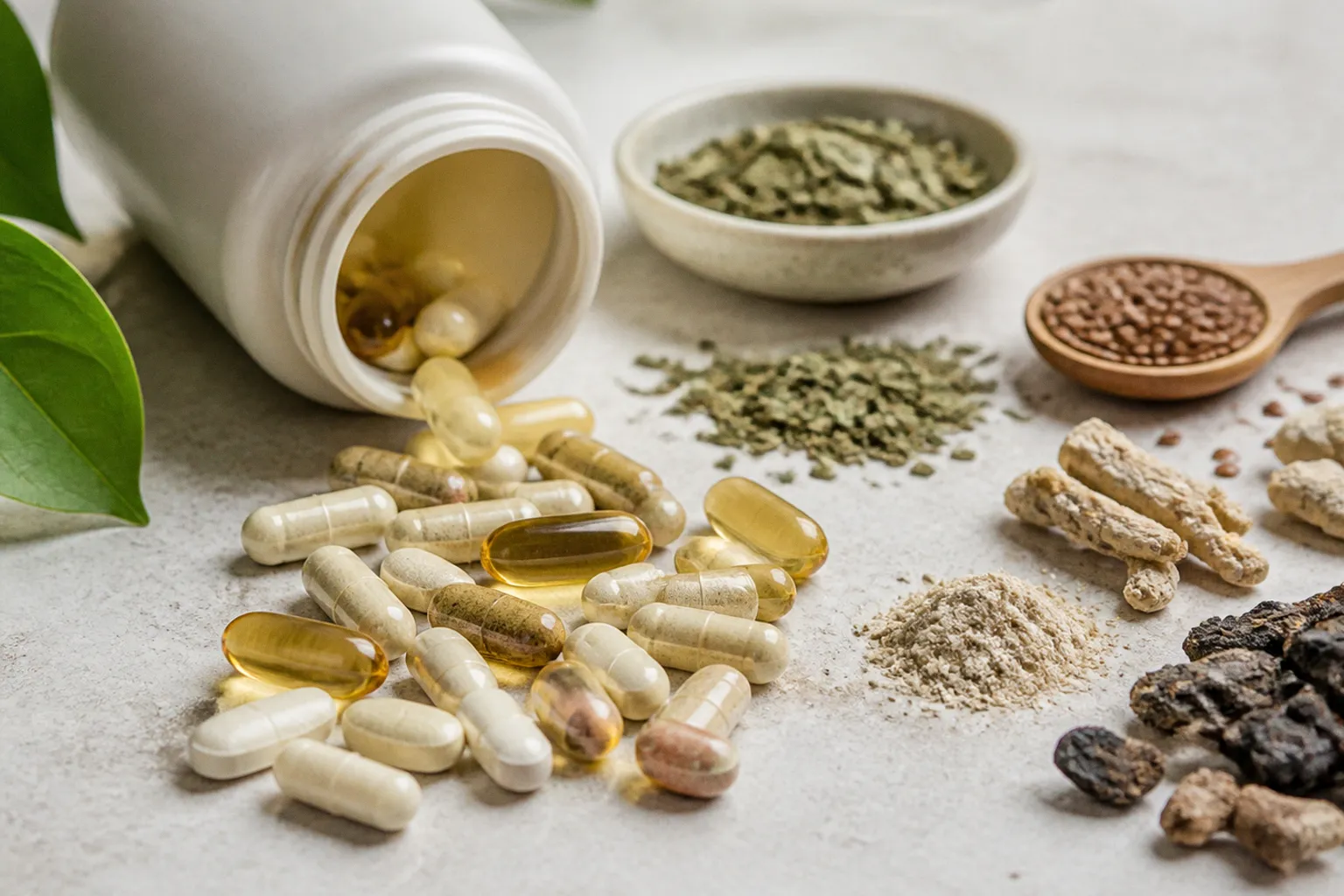
One of the most common mistakes I see in a portfolio review is an artist submitting a gorgeous, highly detailed oil painting that turns into absolute mud when shrunk down to a two-inch trading card. The subtle glazing is lost, the silhouette gets muddy, and the piece completely fails its brief. Your body during perimenopause is a lot like that painting. What worked for you in your thirties—the late nights, the baseline nutrition, the sheer ability to power through—suddenly loses its readability. You can't just push harder; you have to change your technique and update your materials.
Our picks: Perimenopause and Multivitamins
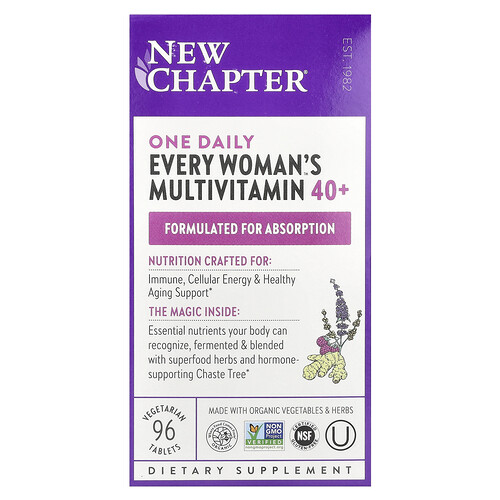
For the artist needing a comprehensive, whole-food baseline tailored to the 40+ demographic.
Pros
- Fermented ingredients for better readability by the gut
- Includes hormone-supportive botanical blends
- High public rating of 4.8/5
Cons: Premium price point at €73.93 · Requires taking multiple tablets daily
What to watch: Check the label for specific herbal interactions, as whole-food blends contain numerous botanical ingredients.
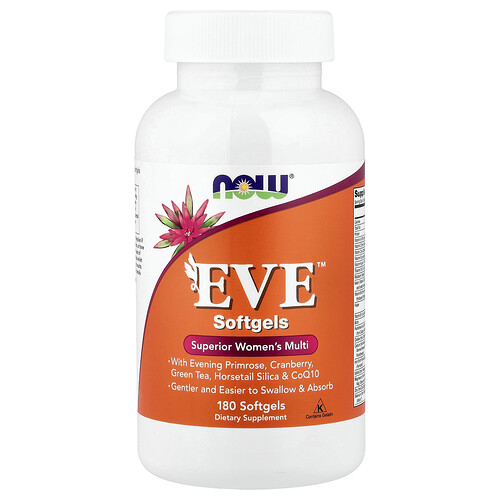
A highly rated, broad-spectrum option for those wanting a solid foundational layer.
Pros
- Large 180-count bottle offers excellent longevity
- Softgels are generally easier to swallow
- Includes evening primrose and cranberry
Cons: Softgels can stick together in summer heat · May contain too much iron if your levels are already high
What to watch: Store away from summer heat and humidity to prevent the softgels from melting into an unusable block.
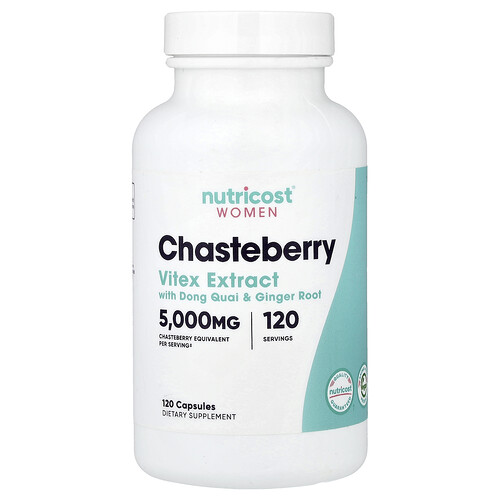
For those looking to supplement their routine with targeted, traditional botanical support.
Pros
- Very affordable at €17.28
- Combines Chasteberry, Dong Quai, and Ginger
- Generous 120-capsule supply
Cons: Lacks standard vitamins and minerals · Not a complete multivitamin solution
What to watch: Dong Quai and Chasteberry can interact with hormone-sensitive conditions; always clear botanicals with your doctor.
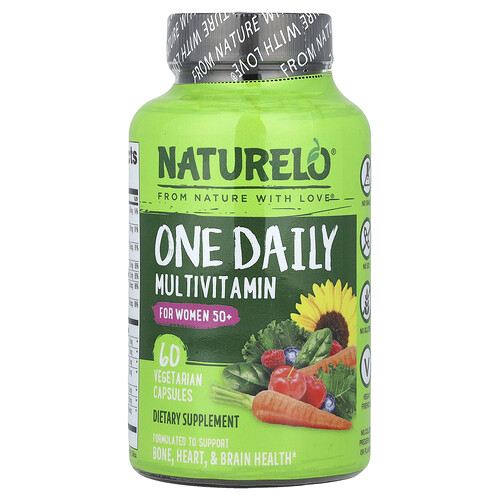
A streamlined, one-a-day option for women transitioning into the later stages of perimenopause.
Pros
- Convenient one-daily format
- Plant-based vitamins for clean absorption
- Fairly priced for a two-month supply
Cons: Lower doses of bulky minerals like calcium · Missing the specialized herbal blends of pricier options
What to watch: Because it is a single capsule, it cannot hold high amounts of magnesium or calcium, so you may need separate support.
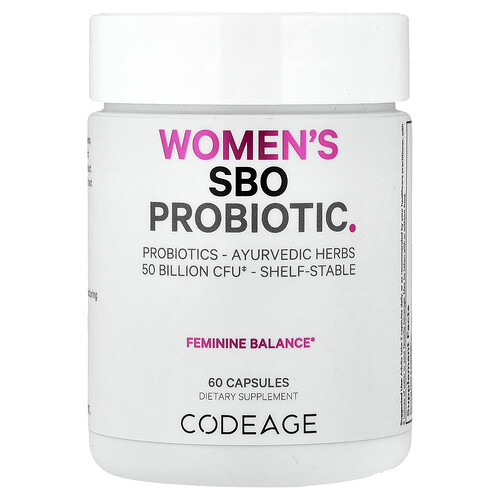
For maintaining gut readability and microbiome balance during hormonal shifts.
Pros
- Soil-based organisms (SBO) are resilient
- Includes botanical additions tailored for women
- Strong 4.8/5 rating
Cons: Priced at €32.60 for just 60 capsules · Probiotics require consistent use to see effects
What to watch: SBO probiotics are potent; introduce them slowly to avoid initial digestive muddiness.
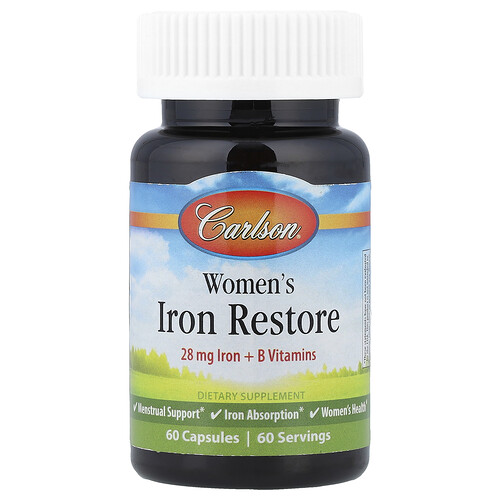
A targeted fix for those whose iron levels are dropping due to irregular perimenopausal cycles.
Pros
- Highly rated at 4.9/5
- Very budget-friendly at €9.94
- Formulated to be gentle on the stomach
Cons: Only provides iron, no other nutrients · Iron supplements can cause digestive slowdowns
What to watch: Never take supplemental iron unless a blood test confirms you need it, as excess iron is toxic.
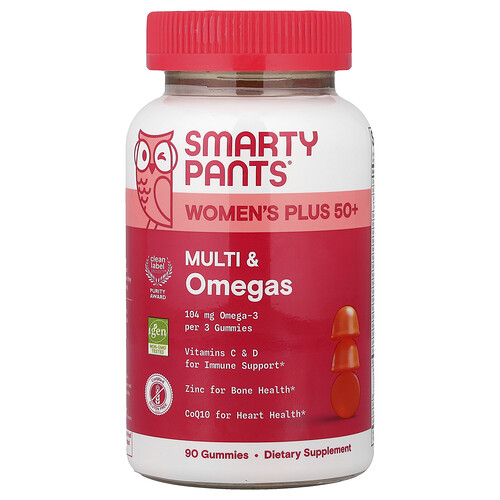
For the creative who suffers from pill fatigue and wants a chewable, flavorful alternative.
Pros
- Includes Omega fatty acids alongside vitamins
- No giant pills to swallow
- Pleasant orange and mango flavor
Cons: High price point (€47.36) for gummies · Gummies degrade quickly in summer heat
What to watch: Keep these strictly temperature-controlled during summer travel, or they will melt into a single, sticky mass.
Before we dive into the portfolio of options, let's get our disclaimers out of the way. I am an art director, not a doctor, and I haven't run clinical trials in a lab or tested these on patients. What I do know is how to review a brief, parse public data, and organize information so you can make practical choices. A food supplement is not a medicine. It will not cure, diagnose, or medically treat perimenopause—a doctor always decides medical questions. But a well-chosen supplement can be a useful tool to help your daily routine pop, providing the foundational support your body needs as its requirements shift.
As we hit the summer convention season of 2026, the brief changes again. You are dealing with intense travel schedules, sweltering art drops, and the kind of heat that makes you sweat out your mineral reserves. Navigating summer heat waves while managing perimenopausal shifts requires a different kind of prep. You need your silhouette to stay sharp, not wilt by two in the afternoon.
What should I look for in a perimenopause supplement?
Look for targeted support that addresses fluctuating iron levels, bone health, and shifting energy needs, rather than just relying on a generic multivitamin. You want a formula that acknowledges the specific transitions your body is making.
In the same way you wouldn't use a generic, frayed brush for fine detail work, you want a formula that targets your specific phase of life. During perimenopause, your baseline needs for certain nutrients change dramatically. Some women need more iron due to irregular cycles, while others need robust bone support as estrogen levels begin to fluctuate. Reviewing the label for these specific inclusions ensures your nutritional underpainting is solid.
How does the summer heat change my nutritional brief?
Summer heat accelerates mineral loss through sweat and compounds the fatigue that is already common during perimenopausal hormone shifts. You lose water-soluble vitamins and electrolytes much faster when the temperature spikes.
If you are lugging your portfolio around a convention center like Gen Con or San Diego Comic-Con in July, your hydration and micronutrient levels take a massive hit. The physical stress of travel and heat can make perimenopausal exhaustion feel twice as heavy. Adjusting your supplement intake to account for this seasonal drain helps keep your energy readable and vibrant throughout the day.
Are herbal additions like Chasteberry actually useful?
Public data suggests botanicals like Chasteberry and Dong Quai can offer supportive baseline care for some women, though they are not medical treatments. They are traditional ingredients often used to support the body during hormonal transitions.
Think of these herbal additions as the atmospheric perspective in a painting. They don't do the heavy lifting of the foreground elements—like your core vitamins and minerals—but they set the tone and help balance the overall composition of your daily routine. However, because herbs can interact with actual medications, they require careful review.
The Final Review
If I were curating my own daily kit from this public data, I would start with the New Chapter Every Woman's Multivitamin 40+ for its comprehensive, whole-food approach to the shifting perimenopause brief. For targeted, budget-friendly herbal support, the Nutricost Chasteberry blend offers excellent value for the composition. Always check your labels, consult your physician, and remember that a good supplement routine is just one part of keeping your portfolio—and yourself—ready for the next big commission.
This article is not medical advice. Food supplements replace neither a balanced diet nor treatment — if you have symptoms, your doctor decides.
Ad · affiliate links · If you buy through these links, we earn a commission.