Formulating the Substrate: An Analysis of Magnesium Compounds for Sleep Architecture
The architecture of sleep requires precise elemental substrates. We examine the chemical binders and bioavailability of current magnesium formulations.

The architecture of sleep is not an ethereal state. It is a quantifiable neurochemical sequence. Like the structural underpainting of a masterwork, it requires a stable, elemental base. Magnesium provides this substrate. It modulates NMDA receptors and activates GABA pathways, establishing the necessary conditions for neurological down-regulation. Yet, the commercial market is flooded with poorly chelated compounds. These function like cheap fillers—barium sulfate or chalk—in student-grade paint, diluting the active pigment and compromising the final layer. We must isolate the elemental yield and examine the binding agents to determine true efficacy.
| Product | Price | Rating | Best for |
|---|---|---|---|
| Seeking Health Magnesium Glycinate, 187.5 g | €31.10 | ★ 4.8/5 · 373 reviews | For those requiring a pure, highly bioavailable amino acid chelate without encapsulation binders. |
| Natural Stacks MagTech Magnesium, 180 Vegane Kapseln | €65.40 | ★ 4.8/5 · 186 reviews | For users seeking a multi-compound structural matrix targeting different absorption pathways. |
| Protocol for Life Balance Magnesiumcitrat, 100 Tabletten | €18.15 | ★ 4.8/5 · 527 reviews | For individuals requiring a standard, highly soluble citrate bond at a clinical dosage. |
| Trace Magnesium Gummies, Pfirsich, 120 Fruchtgummis | €27.72 | ★ 4.8/5 · 273 reviews | For subjects unable to swallow solid tablets, utilizing a chewable pectin matrix. |
| NaturesPlus KalmAssure Magnesium Powder, 408 g | €26.04 | ★ 4.7/5 · 574 reviews | For rapid liquid suspension and immediate gastric availability. |
| Sundance Vitamins Advanced Delivery Magnesium, 40 Weichkapseln | €5.44 | ★ 4.5/5 · 67 reviews | For maximum budget efficiency utilizing a rapid-release lipid matrix. |
| Nature's Answer Marine Based Cal-Mag, 120 Kapseln | €30.65 | ★ 4.7/5 · 663 reviews | For structural support requiring the simultaneous presence of calcium and magnesium. |
At a glance
| Product | Best for |
|---|---|
| Seeking Health Magnesium Glycinate, 187.5 g | For those requiring a pure, highly bioavailable amino acid chelate without encapsulation binders. |
| Natural Stacks MagTech Magnesium, 180 Vegane Kapseln | For users seeking a multi-compound structural matrix targeting different absorption pathways. |
| Protocol for Life Balance Magnesiumcitrat, 100 Tabletten | For individuals requiring a standard, highly soluble citrate bond at a clinical dosage. |
| Trace Magnesium Gummies, Pfirsich, 120 Fruchtgummis | For subjects unable to swallow solid tablets, utilizing a chewable pectin matrix. |
| NaturesPlus KalmAssure Magnesium Powder, 408 g | For rapid liquid suspension and immediate gastric availability. |
| Sundance Vitamins Advanced Delivery Magnesium, 40 Weichkapseln | For maximum budget efficiency utilizing a rapid-release lipid matrix. |
| Nature's Answer Marine Based Cal-Mag, 120 Kapseln | For structural support requiring the simultaneous presence of calcium and magnesium. |
Our picks: Magnesium for Sleep Architecture
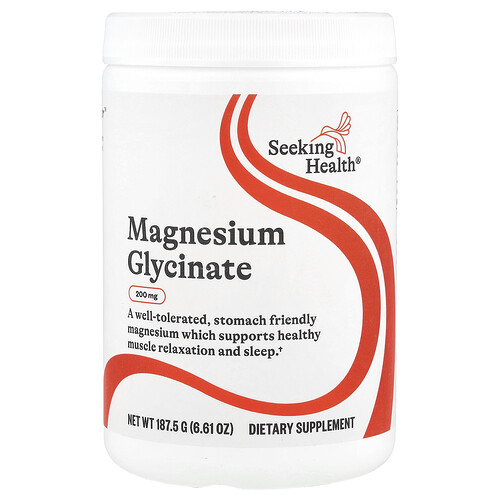
Best for: For those requiring a pure, highly bioavailable amino acid chelate without encapsulation binders.
Pros
- High elemental absorption rate
- No structural excipients or fillers
- Minimal osmotic laxative effect
Cons: Requires precise volumetric measurement · Unflavored powder possesses a metallic profile
What to watch: Powder settling may cause inconsistent dosing if the matrix is not agitated before measurement.
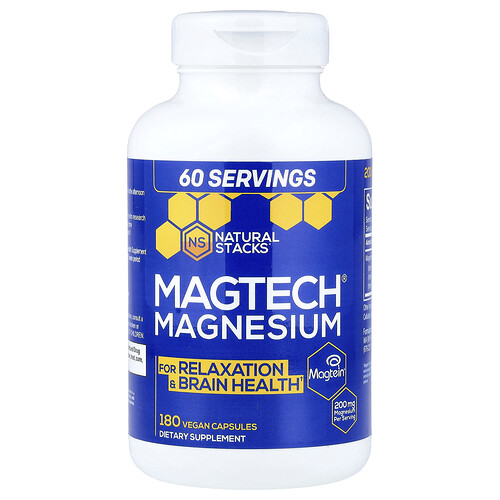
Best for: For users seeking a multi-compound structural matrix targeting different absorption pathways.
Pros
- Combines multiple chelated forms
- Vegan capsule matrix
- High yield per serving
Cons: Premium cost per gram · Requires multiple capsules for full dose
What to watch: Complex formulations increase the variable of individual compound tolerance.
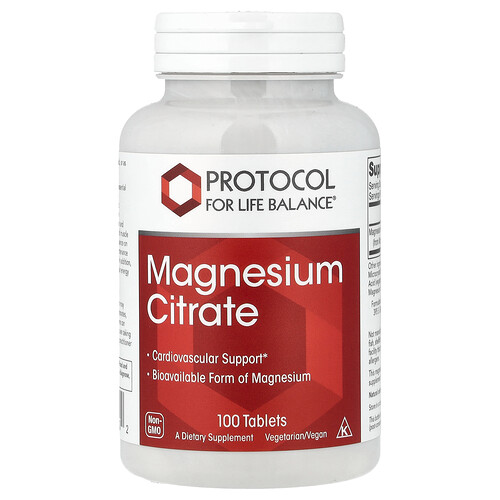
Best for: For individuals requiring a standard, highly soluble citrate bond at a clinical dosage.
Pros
- Exact 200mg elemental yield per unit
- High solubility in gastric acid
- Cost-effective baseline formulation
Cons: Citrate bond increases osmotic bowel pull · Tablet binders may slow dissolution
What to watch: High doses of the citrate form frequently induce loose stools.
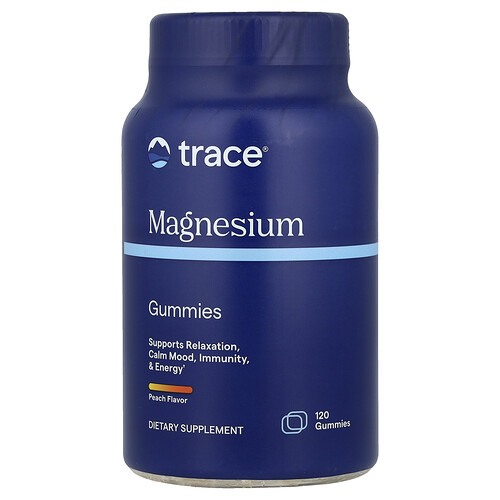
Best for: For subjects unable to swallow solid tablets, utilizing a chewable pectin matrix.
Pros
- Mastication bypasses capsule dissolution time
- 84mg precision increments
- Palatable delivery system
Cons: Introduces unnecessary saccharides and flavorings · Lower elemental yield per unit
What to watch: Added sugars and acids may degrade dental enamel if consumed immediately before sleep.
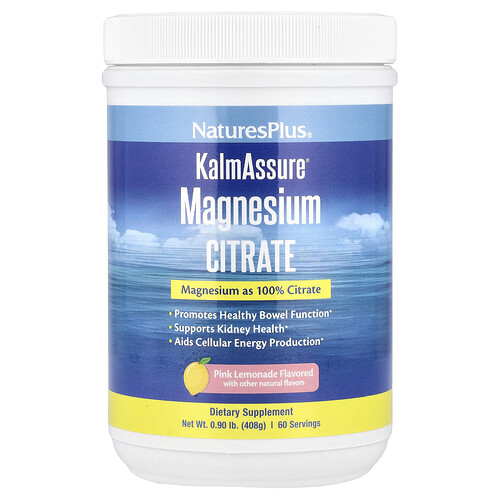
Best for: For rapid liquid suspension and immediate gastric availability.
Pros
- Pre-flavored for high compliance
- Rapid liquid absorption profile
- Substantial volume per container
Cons: Contains flavoring agents and acids · Suspension requires immediate consumption before settling
What to watch: Citric acid additives may exacerbate gastric reflux in susceptible individuals.

Best for: For maximum budget efficiency utilizing a rapid-release lipid matrix.
Pros
- Highly efficient cost per unit
- Lipid softgel prevents esophageal friction
- High 400mg payload
Cons: Low total unit count · Formulation type is not explicitly chelated
What to watch: The rapid release of 400mg in a single bolus may overwhelm absorption channels, leading to excretion.
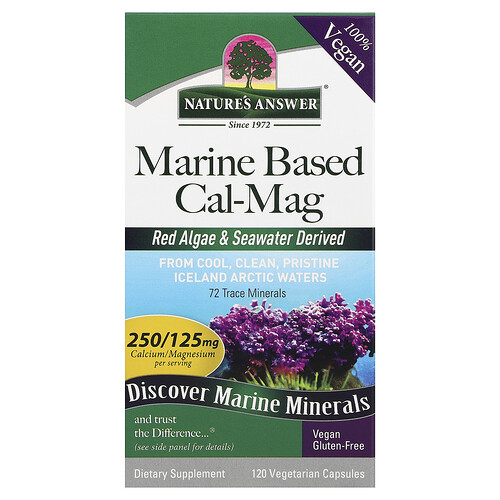
Best for: For structural support requiring the simultaneous presence of calcium and magnesium.
Pros
- Marine-derived structural matrix
- Balanced calcium-magnesium ratio
- Vegetarian encapsulation
Cons: Calcium competes with magnesium for absorption · Lower isolated magnesium yield
What to watch: Co-supplementation with calcium is contraindicated for certain cardiovascular profiles; consult a physician.
We do not rely on subjective reports of restfulness. We analyze the pharmacokinetic profile. The molecular weight, the chelation stability, and the excipient load dictate how a compound behaves in the gastric environment. A heavy impasto of magnesium oxide will yield little benefit if the digestive tract cannot break its bonds. The refractive index of a pigment determines how light passes through it; similarly, the bioavailability of a supplement determines how it passes through the lipid bilayer of a cell. If the carrier molecule is too large or unstable, the active element precipitates out, rendering the dose useless. We must select formulations with exact precision, matching the chemical binder to the physiological requirement. Let us examine the variables that determine a compound's viability.
How does the chemical binder affect magnesium absorption?
The binder dictates how the compound behaves within the digestive tract, directly determining absorption rates and cellular uptake. Glycinate utilizes an amino acid binder, yielding high bioavailability and minimal osmotic pull in the bowel. Conversely, citrate employs citric acid, which increases solubility but draws water into the intestines. This often results in rapid excretion before the absorption process is complete. The choice of binder is the primary variable in formulation efficacy.
What is the precise elemental yield required for sleep support?
The required elemental yield typically ranges between 200 and 400 milligrams, depending on baseline physiological deficits. The total compound weight listed on a label is irrelevant; only the pure magnesium isolated from its binder matters. A 1000mg capsule of a poorly chelated compound may yield a high gross weight, but its actual elemental absorption rate remains fractional. Accurate dosing requires calculating the exact elemental mass.
Why do some formulations cause gastrointestinal distress?
Unabsorbed magnesium salts act as osmotic laxatives, drawing water into the colon through a measurable pressure gradient. This occurs when the molecular bond breaks down prematurely in gastric acid, leaving raw minerals in the intestinal tract. Chelated forms, such as bisglycinate, remain structurally intact through the stomach, bypassing this osmotic effect entirely. Formulations with weak chemical bonds will inevitably disrupt intestinal homeostasis.
What role do excipients play in tablet formulations?
Excipients act as the structural medium holding the active compound together, dictating the dissolution rate of the tablet in gastric acid. If the excipient matrix is too dense, the tablet will pass through the primary absorption sites before the elemental magnesium can be extracted. Binders such as microcrystalline cellulose or magnesium stearate must be calibrated to release the substrate at the correct point in the digestive sequence.
Can magnesium replace prescribed sleep medication?
No, magnesium is a nutritional substrate, not a pharmaceutical sedative. It corrects elemental deficiencies that impede natural sleep architecture, but it does not force neurological shut-down. Medical questions regarding chronic insomnia require clinical diagnosis by a physician, as structural deficiencies are only one variable in sleep pathology. We evaluate these compounds solely for their capacity to provide the necessary elemental baseline.
This article is not medical advice. Food supplements replace neither a balanced diet nor treatment — if you have symptoms, your doctor decides.
Ad · affiliate links · If you buy through these links, we earn a commission.