The Illustrator's Guide to Winding Down: Magnesium for Late Studio Nights
Shrinking an oil painting down to two inches often destroys subtle glazing, just like pushing through a 48-hour painting bender destroys your sleep schedule. Here is how to pick a magnesium supplement to help you finally power down.

I see it in portfolios all the time: an aspiring artist submits a gorgeous, highly detailed oil painting, but they forget that on a TCG card, shrinking that piece down to two inches completely destroys the subtle glazing. The readability vanishes, the silhouette turns to mud, and the piece simply fails the brief. You have to know how your work translates to the final format. The same logic applies to your studio habits. Pushing through a 48-hour painting bender might get the art drop done, but it completely destroys your sleep schedule.
Our picks: Magnesium for Post-Deadline Recovery
1
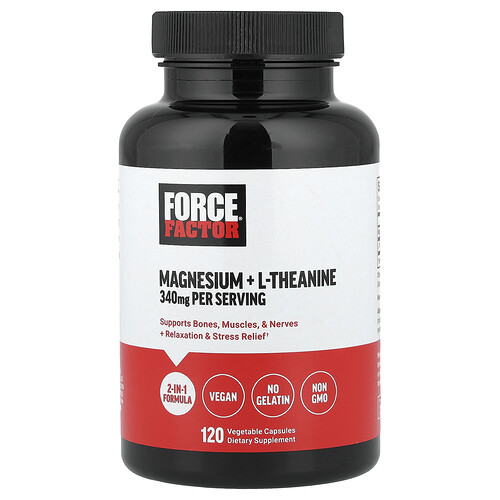
Force Factor
Force Factor Magnesium + L-Theanine, 120 Capsules
€22.54
The seller's price may differ.
★ 4.7/5 · 172 reviews
For the artist whose brain won't stop racing after a high-pressure art drop.
Pros
- Includes L-Theanine for added relaxation support
- Easy-to-swallow vegetable capsules
- Solid 4.7 rating from over 170 users
Cons: Requires swallowing pills rather than enjoying a soothing drink · L-Theanine might cause mild grogginess in some individuals
What to watch: Check with a doctor if you take anxiety medication, as L-Theanine can interact with certain prescriptions.
2
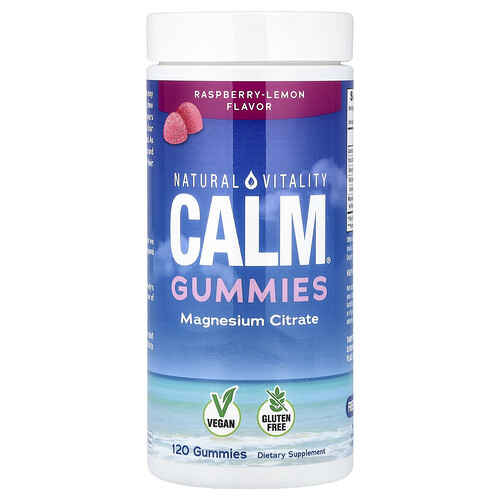
Natural Vitality
Natural Vitality CALM Magnesium Gummies, 120 Count
€27.23
The seller's price may differ.
★ 4.7/5 · 2,491 reviews
For those who want a quick, sweet treat to signal the end of a long studio session.
Pros
- Convenient gummy format requires no water or prep
- Pleasant raspberry-lemon flavor
- Massively popular with nearly 2,500 highly positive ratings
Cons: Contains added sugars and sweeteners · Lower dose per gummy (83mg) means you may need to take multiple
What to watch: Keep an eye on your sugar intake, especially if you are already snacking late at night at your drawing desk.

3
BioEmblem
BioEmblem Magnesium Glycinate with Zinc Picolinate, 90 Capsules
€25.24
The seller's price may differ.
★ 4.7/5 · 43 reviews
For illustrators with sensitive stomachs looking for a highly absorbable form of magnesium.
Pros
- Uses magnesium glycinate, known for being gentle on the gut
- Includes zinc picolinate for added nutritional support
- Vegetarian-friendly formulation
Cons: More expensive per serving than basic citrate options · Only 90 capsules per bottle, requiring more frequent repurchasing
What to watch: Zinc can cause nausea if taken on a completely empty stomach, so pair this with a light late-night snack.
All picks compared
| Product | Price | Rating | Best for |
|---|---|---|---|
| Force Factor Magnesium + L-Theanine, 120 Capsules | €22.54 | ★ 4.7/5 · 172 reviews | For the artist whose brain won't stop racing after a high-pressure art drop. |
| Natural Vitality CALM Magnesium Gummies, 120 Count | €27.23 | ★ 4.7/5 · 2,491 reviews | For those who want a quick, sweet treat to signal the end of a long studio session. |
| BioEmblem Magnesium Glycinate with Zinc Picolinate, 90 Capsules | €25.24 | ★ 4.7/5 · 43 reviews | For illustrators with sensitive stomachs looking for a highly absorbable form of magnesium. |
When you finally step away from the Cintiq or put down your brushes at 3 AM, your brain is still rendering dragons and tweaking color values. You can't just flip a switch and go to sleep. You need a wind-down routine that tells your nervous system the brief is fulfilled. A lot of industry veterans turn to magnesium to help signal to their bodies that the workday is over.
Now, I haven't run any of these supplements through a lab, and I'm certainly not a doctor—I'm an art director. But just like I review a portfolio by looking at the raw fundamentals, we can look at the public specs, ingredient lists, and user ratings to see which options make sense for your studio shelf. Let's grab a coffee (or maybe some herbal tea, given the hour) and look at how to choose a magnesium product that actually fits your workflow.
Why is it so hard to sleep after hitting an art deadline?
Your brain remains in a state of hyper-arousal from the adrenaline, tight deadlines, and the glaring screen light required to finish a demanding brief. You cannot expect a sudden transition from high-stakes problem solving to deep sleep.
When you are pushing pixels or mixing paints until the early hours, your nervous system is fully engaged. Every time you zoom in to make a highlight pop or adjust the contrast to fix a muddy silhouette, you are telling your brain to stay alert. By the time you hit 'send' on that final art drop, your cortisol levels are often through the roof. A wind-down routine—whether that involves stretching, reading, or taking a supplement—creates a necessary buffer zone. It acts as a transition phase, much like laying down a neutral wash before diving into your heavy shadows.
How do different magnesium formats affect your wind-down routine?
Powders and gummies offer a sensory, ritualistic break from the canvas, while capsules provide a faster, no-fuss dose of specific magnesium compounds. The right choice depends entirely on how much effort you want to spend after a long day.
Just like choosing between digital and traditional media, the format changes the experience. If you are the kind of artist who likes to step away from the desk, boil water, and mix a warm drink, a powder can become a calming physical ritual. On the other hand, if you are practically falling asleep in your chair and just need to brush your teeth and get to bed, chewing a gummy or swallowing a capsule is much more efficient. You have to evaluate your own portfolio of habits. If a multi-step preparation process feels like too much work after a grueling commission, stick to the simplest format.
Can a supplement fix bad studio ergonomics and burnout?
No, a supplement cannot undo the physical damage of hunching over a drawing tablet for fourteen hours or cure clinical burnout. Supplements are not medicine, and they are not a substitute for healthy boundaries.
I want to be incredibly clear here, as a mentor who wants to see you thrive in this industry for decades: no pill or gummy will fix a fundamentally broken schedule. If you are experiencing chronic pain in your drawing arm, severe insomnia, or deep psychological burnout, a doctor needs to be your next call, not a vitamin shop. Magnesium can be a helpful tool for general relaxation, but it will not magically correct the posture you held while rendering chainmail for six hours straight. Treat your body with the same respect you treat your portfolio—invest in good foundations, don't rely on quick fixes, and know when to call in a professional.
This article is not medical advice. Food supplements replace neither a balanced diet nor treatment — if you have symptoms, your doctor decides.
Ad · affiliate links · If you buy through these links, we earn a commission.