West Coast Wildlife Centre tickets: a visitor preparation guide
Most visitors walk up to the West Coast Wildlife Centre ticket counter the way they walk up to a tram stop. Pay, board, ride, leave.
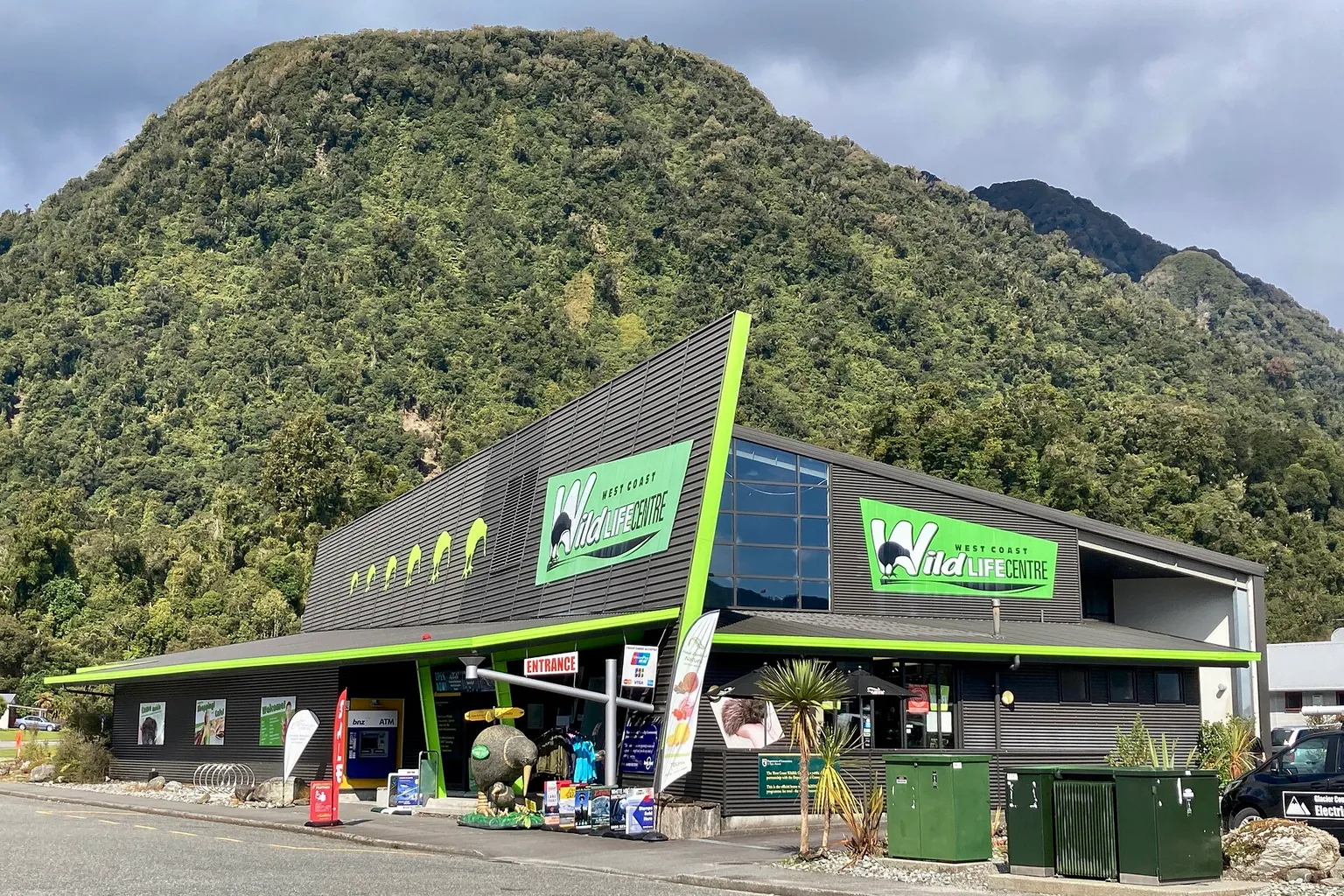
That's the fastest way to walk past New Zealand's rarest kiwi and remember it as "the brown one." The ticket you choose — and the order in which you use it — decides whether Franz Josef stays in your head as a wet-weather fallback or as one of the better small-format wildlife experiences in the country.
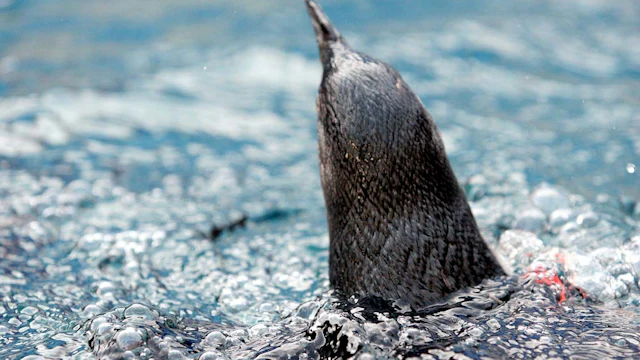 Franz Josef
Tickets and prices
West Coast Wildlife Centre
Entry ticket · 48-hour access
fromNZD66.24
Book onlineOfficial ticket · Adult
fromNZD113.68
Book onlineBox office and online booking
Two products. Two days of access. One daylight budget. Get the structure wrong and you waste money. Get the timing wrong and you waste the animal encounter you flew across the Pacific for.
The 48-hour re-entry pass is the actual product
Every standard admission ticket — adult, child, senior, family of five — works as a 48-hour re-entry pass. Not a single-entry slip. Two consecutive days. Walk out, walk back in, walk out again. The line on the back reads like fine print because the venue is being polite about it, not because it's conditional.
This is the single most misunderstood detail about West Coast Wildlife Centre tickets. Visitors default to "one ticket, one day, one visit" because that's how almost every other paid attraction in Aotearoa works. It isn't how this one works. The pass is built around the West Coast weather, where a clearing sky at 5pm after a soaked morning is the norm, not the exception.
The smart use: arrive day one around midday, sweep the diurnal animals (tuatara in their heated enclosures, the kororā little blue penguin habitat during a feeding), break for the glacier town or the hot pools, return at dusk when the nocturnal house comes alive. The Rowi — the rarest of the five kiwi species and the entire reason this captive-rearing facility exists — are crepuscular and nocturnal. They move when the light drops. A single bright midday entry is the worst way to see them. The same ticket that produced a forgettable afternoon produces a sharp evening if you hold the second half of it.
General admission vs. VIP Backstage Pass: which ticket actually changes the visit
The general pass gets you into the building. The VIP Backstage Pass gets you into the working part of it. They are not the same experience with a different price tag stapled to the front.
| What you get | General Admission | VIP Backstage Pass Combo |
|---|---|---|
| 48-hour re-entry pass | Yes | Yes |
| Nocturnal house (kiwi viewing area) | Yes | Yes |
| Tuatara enclosures and educational displays | Yes | Yes |
| Little blue penguin habitat with twice-daily feedings | Yes | Yes |
| Kiwi Ranger–guided 30–45 min tour | No | Yes |
| Behind-the-scenes access to incubation and hatching areas | No | Yes |
| Best for | Self-paced visitors, repeat drop-ins | Conservation-curious visitors, photographers, families with older kids |
The general pass gets you to the stage door. The Backstage Pass gets you through it.
The VIP Backstage Pass is a combo product: the 48-hour admission plus a ranger-led tour running on a fixed daily schedule, with departures spaced through the day. The tour is where the Operation Nest Egg work happens — the captive-rearing programme credited with pulling the Rowi population back from the edge of extinction and into measurable recovery. The October 2025 unveiling of the Ambassador West Coast Penguin Encounter strengthened the same facility's role as a working conservation site rather than a display-only one. If you've travelled to Franz Josef specifically to understand that story rather than just photograph a bird, this is your ticket.
If you've come to fill a wet afternoon between glacier walks, the standard pass does the job. Pick the combo only if you want the ranger's narration, the working areas, and a capped-group experience.
Booking logistics: the small print and the direct-on-site fee
Direct online purchase through the centre's own booking system adds a credit-card surcharge per ticket — a fixed percentage that multiplies with the number of tickets in your cart. This isn't a third-party commission; it's the card-processing cost passed through. If that grates, the same tickets are sold at the door, where the surcharge doesn't apply. The trade-off is queue time at peak season, which on a busy West Coast day can eat the better part of an hour.
Resellers and activity marketplaces list the same product as pre-paid vouchers with instant confirmation. The headline price may run higher than the door rate once fees stack, but availability is locked in and you skip the counter — useful when you're arriving off a long glacier transfer and don't want to gamble on capacity.
Two practical rules:
- Book the VIP Backstage Pass in advance across peak season (the December–February summer window and the Easter break). The tour runs at capped numbers per departure.
- The general-admission 48-hour pass rarely sells out. If your schedule is tight, secure it online the night before and you've removed one variable from the morning.
Timing the day: penguin feedings, ranger tours, and the right light
The building opens at 8:30am, every day of the year. Closing time shifts with the season — generally earlier in mid-winter, later through the summer months.
The fixed anchor points that should drive your schedule:
- Penguin feeding sessions: twice daily, mid-morning and mid-afternoon, inside the little blue penguin habitat. These are the loudest and busiest moments in the building. If you're photographing, stand well back and let the keeper work.
- VIP Backstage Pass tours: four scheduled ranger-led departures spread across the day. Pick the slot that fits your broader itinerary rather than the one that fits your mood — the tour length (30–45 minutes) eats a real chunk.
- Nocturnal house viewing: no scheduled event, but active kiwi are meaningfully easier to spot once the overhead lighting drops into the evening programme. This is the moment the 48-hour pass quietly earns its keep.
The mistake most visitors make is hitting everything in one forward sweep and leaving by mid-afternoon. The pass exists specifically so you don't. Day one for the daytime enclosures and a penguin feeding. Day two (or the same evening, if your ticket still has runway) for the nocturnal house when the building dims and the kiwi start working the perimeter of their enclosure.
Age rules, accessibility, and what catches families off-guard
Two separate age thresholds matter, and they trip families every week. Standard general admission opens to children from age five upward. The VIP Backstage Pass tour carries a higher minimum age — old enough to walk quietly through the working facility and stay attentive through a 30–45 minute ranger talk. Families with mixed-age kids often book the general admission for the younger children and the combo only for the older sibling and the adults.
The facility is fully indoor and all-weather, which is exactly why it functions as the default Plan B for Franz Josef — and on the West Coast, "Plan B" describes most days. The public areas are step-free and wheelchair-friendly throughout. The backstage portion of the VIP tour involves narrower corridors and some standing time, so anyone in the group with limited mobility should know what they're signing up for.
Photography is permitted in most zones without flash. The nocturnal house in particular penalises flash photography harshly — the kiwi are light-sensitive and the staff enforce this without negotiation. If you've come for clean photographs, prepare for high ISO, slower glass, and patience. Hold the frame, wait for the bird to walk into it.
Three visitor types, three sensible ticket paths
- The tight half-day visitor, with one evening to spare in Franz Josef: standard 48-hour pass, arrive an hour before close, go straight to the nocturnal house. Skip the diurnal loop entirely. You're there for the Rowi, nothing else.
- The full-day visitor with a glacier morning planned: standard 48-hour pass, day one for a penguin feeding and a slow loop of the diurnal enclosures, day two (or the same evening after dinner) for the nocturnal house at its best.
- The conservation-focused visitor, or a family with kids old enough for the tour: VIP Backstage Pass combo. Aim for the morning or midday departure to dodge the dusk rush, then use the second day of re-entry for the nocturnal house at your own pace.
A West Coast Wildlife Centre ticket is a schedule, not a slip. The pass only works if you treat the two days as one long visit with a break in the middle.
Whatever ticket you choose, lock the schedule before you lock anything else. The building is open. The animals aren't always performing.
Practical info
Currency: NZD
Driving: on the left
Emergency number: 111
FAQ
Does my West Coast Wildlife Centre ticket allow me to visit on two different days?
What is the difference between General Admission and the VIP Backstage Pass?
Can I use flash photography inside the nocturnal house?
Are there age restrictions for the VIP Backstage Pass?
Should I book my tickets online or at the door?
Photo: Mike Dickison / CC BY 4.0 — Wikimedia Commons