The Architecture of Iron Replenishment: Counteracting Fatigue
The physiological substrate requires precise mineral loads to maintain structural integrity and oxygen transport. We analyze the bioavailability and chemical composition of current iron formulations.
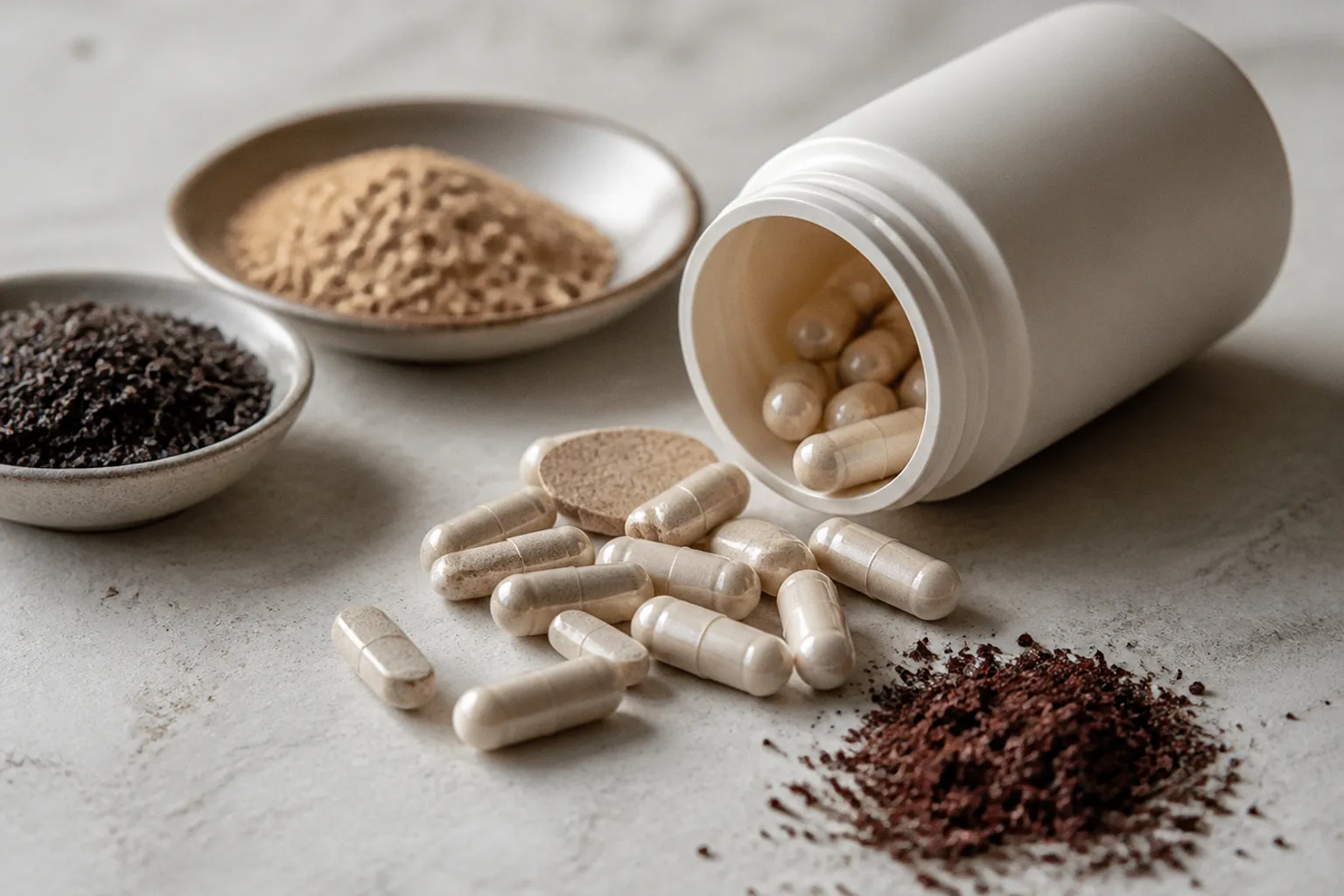
The structural integrity of a painting relies entirely on the chemical stability of its ground. When the ground is compromised, the superficial layers fracture. Fatigue is the physiological equivalent of a degrading canvas. Maintaining structural integrity in the human physiological substrate requires precise mineral loads. When serum ferritin levels drop, the resulting fatigue mimics a canvas suffering from binder degradation: oxygen transport fails, and the biological machinery grinds to a halt. Iron, much like the synthetic iron oxides—Mars Black or synthetic red ochre—requires a specific medium to bind effectively without causing localized toxicity. A physician must dictate the exact required dosage, as iron overload is structurally catastrophic, akin to applying a heavy impasto layer over a non-porous ground—it will eventually crack and fail.
At a glance
| Product | Price | Rating | Best for |
|---|---|---|---|
| NOW Foods, Iron, 36 mg, 90 Veg Capsules | €10.85 | ★★★★★ 4.8 · 55,796 reviews | A highly stable bisglycinate chelate designed for maximum mucosal absorption with minimal gastric reactivity. |
| NaturesPlus, Hema-Plex, 60 Mini-Tablets | €12 | ★★★★★ 4.9 · 92,783 reviews | A sustained-release polymer matrix engineered to distribute iron absorption evenly over a prolonged transit period. |
| California Gold Nutrition, Iron Liquid, 118 ml | €8.48 | ★★★★★ 4.7 · 3,539 reviews | A liquid suspension utilizing ferrous bisglycinate for precise, volumetric dosage titration. |
| Nutricost, Iron as Ferrous Sulfate, 65 mg, 240 Tablets | €14.23 | ★★★★★ 4.7 · 240 reviews | A raw, high-yield ferrous sulfate compound for aggressive correction of depleted iron stores. |
| PatchAid, Iron Plus Patch, 30 Pads | €21.55 | ★★★★★ 4.6 · 377 reviews | A transdermal delivery mechanism that bypasses the gastrointestinal tract entirely. |
| Phytoral, Iron Gummies with Vitamin C, 60 Gummies | €13.67 | ★★★★★ 4.6 · 350 reviews | A pectin-based matrix incorporating ascorbic acid to act as a chemical catalyst for iron reduction. |
| Natural Factors, Iron Chelate, 25 mg, 90 Tablets | €7.57 | ★★★★★ 4.8 · 1,551 reviews | A lower-dose chelate formulation suited for the long-term maintenance of stable ferritin levels. |
| Kirkman Labs, Liquid Iron, Peach-Mango, 237 ml | €32.11 | ★★★★★ 4.9 · 158 reviews | A volumetrically adjustable liquid iron with sensory masking agents to neutralize the metallic oxidation profile. |
Our picks: Iron Formulations for Fatigue
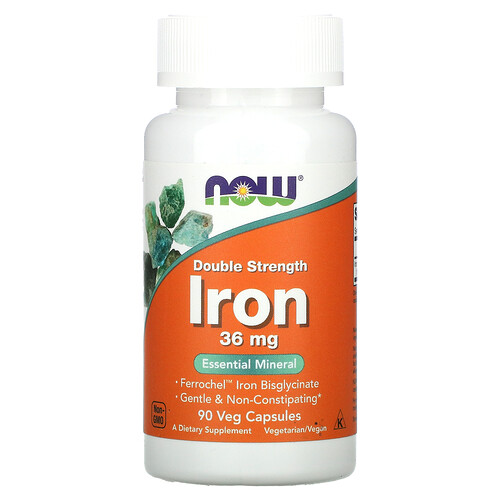
A highly stable bisglycinate chelate designed for maximum mucosal absorption with minimal gastric reactivity.
Pros
- Chemically stable chelate structure
- High bioavailability
- Low risk of gastrointestinal oxidation
Cons: Fixed 36 mg dosage prevents micro-titration · Capsule matrix may degrade in high humidity
What to watch: The high absorption rate necessitates strict monitoring of serum ferritin by a medical professional to prevent toxicity.
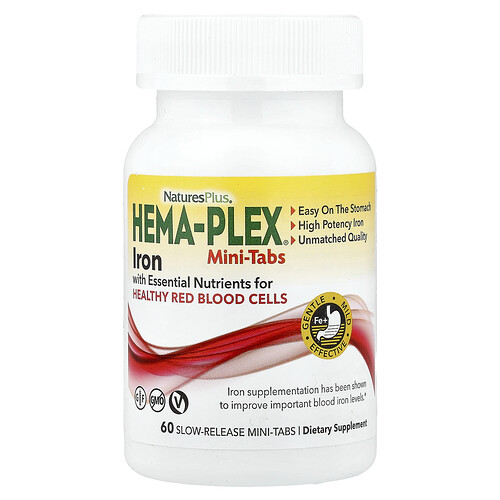
A sustained-release polymer matrix engineered to distribute iron absorption evenly over a prolonged transit period.
Pros
- Controlled dissolution rate
- Comprehensive nutrient profile for hemoglobin synthesis
- Mini-tablet format reduces esophageal friction
Cons: Polymer coating delays immediate serum peaks · Complex formulation increases the variable of allergic response
What to watch: The slow-release mechanism may mask the onset of gastrointestinal distress until the tablet reaches the lower intestine.
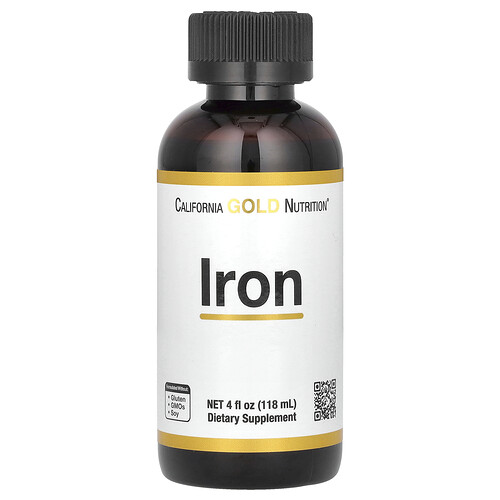
A liquid suspension utilizing ferrous bisglycinate for precise, volumetric dosage titration.
Pros
- Allows exact milligram adjustments
- Bypasses the need for capsule dissolution
- High-stability chelate
Cons: Liquid format is susceptible to rapid oxidation upon opening · Requires precise measurement tools
What to watch: Direct contact with dental enamel may cause superficial staining due to localized oxidation.
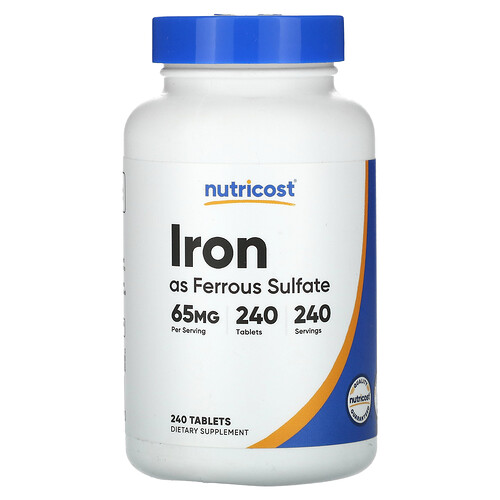
A raw, high-yield ferrous sulfate compound for aggressive correction of depleted iron stores.
Pros
- Extremely high elemental iron yield
- Cost-effective bulk matrix
- Rapid dissolution profile
Cons: Highly reactive in the gastric environment · Significant risk of mucosal irritation
What to watch: The unbuffered sulfate compound frequently causes severe constipation and requires concurrent hydration management.
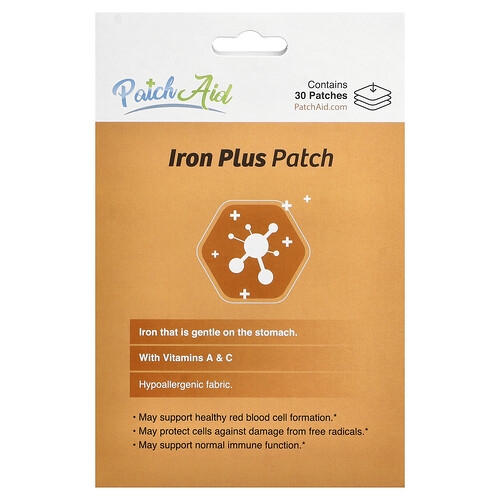
A transdermal delivery mechanism that bypasses the gastrointestinal tract entirely.
Pros
- Zero gastric reactivity
- Continuous dermal absorption
- Eliminates pill fatigue
Cons: Absorption rates vary heavily based on epidermal thickness and lipid barriers · High cost per unit
What to watch: Dermal adhesives may cause localized contact dermatitis in individuals with compromised skin barriers.
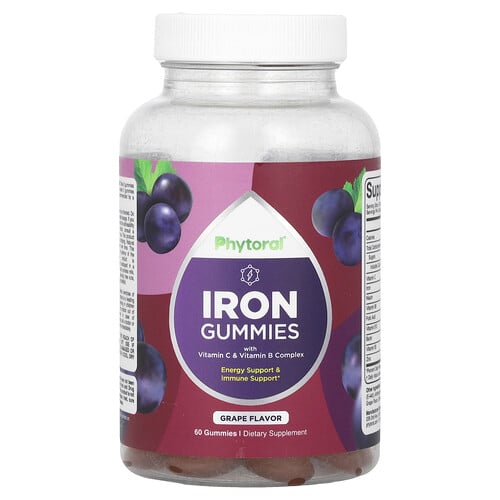
A pectin-based matrix incorporating ascorbic acid to act as a chemical catalyst for iron reduction.
Pros
- Built-in ascorbic acid for Fe3+ to Fe2+ reduction
- Mastication accelerates the breakdown of the delivery matrix
- High patient compliance
Cons: Sugar-based matrix introduces unnecessary carbohydrates · Lower elemental iron concentration per unit
What to watch: The palatable format increases the risk of accidental overdose, particularly if accessible to children.
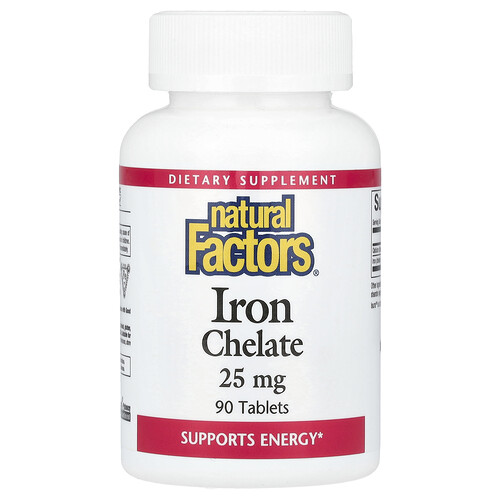
A lower-dose chelate formulation suited for the long-term maintenance of stable ferritin levels.
Pros
- Moderate 25 mg dose prevents rapid serum spikes
- Stable chelate compound
- Compressed tablet maintains shelf stability
Cons: Insufficient yield for acute, severe depletion · Requires intact gastric acid for optimal breakdown
What to watch: Concurrent ingestion with calcium or tannins will bind the chelate, rendering it biologically inert.
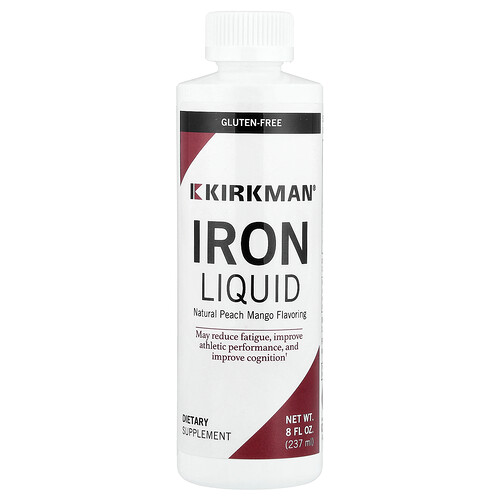
A volumetrically adjustable liquid iron with sensory masking agents to neutralize the metallic oxidation profile.
Pros
- Heavy sensory masking improves palatability
- Large volume allows for extended titration protocols
- Fluid dynamic ensures rapid gastric emptying
Cons: High price tier · Flavoring agents introduce additional chemical variables
What to watch: The masking of the metallic taste removes the primary sensory warning of high iron concentration.
We examine these compounds based on their molecular weight, ligand stability, and gastrointestinal reactivity. Ferrous sulfate acts like a raw, unrefined earth pigment: high yield, but highly reactive. Bisglycinate chelates function like pigments milled in high-viscosity stand oil: stable, slow to react, and highly bioavailable. The selection criteria rely strictly on formulation stability, dosage accuracy, and delivery mechanisms.
How does molecular structure dictate iron absorption?
The molecular structure determines the compound's stability in gastric acid and its affinity for mucosal receptors. Ferrous bisglycinate bonds iron to two glycine molecules, neutralizing its valence and preventing premature oxidation in the gut. This mimics the scumbling technique, where a thin, stable layer is applied without disturbing the underpainting. The chelated structure ensures the iron remains inert until it reaches the targeted absorption sites in the duodenum. Raw sulfates, conversely, dissolve rapidly, often causing gastrointestinal distress akin to solvent burn on a fresh varnish.
Why do certain formulations include ascorbic acid?
Ascorbic acid reduces ferric iron (Fe3+) to ferrous iron (Fe2+), significantly increasing its solubility in the alkaline environment of the duodenum. It acts as a chemical catalyst, much like adding a cobalt drier to linseed oil accelerates polymerization. Without this reduction, the iron precipitates out of solution, rendering it biologically inert and useless for correcting fatigue. Formulations incorporating ascorbic acid directly into the matrix ensure this chemical reduction occurs simultaneously with dissolution.
What dictates the transition from liquid suspensions to solid matrices?
The choice between a liquid suspension and a solid matrix depends on the required titration precision and the patient's gastric transit time. Liquids allow for micro-adjustments in dosage, functioning like a highly thinned glaze, but expose the teeth to oxidation. Solid matrices, particularly sustained-release tablets, utilize polymer coatings to control the dissolution rate over several hours. This controlled release prevents acute mucosal irritation and ensures a steady supply of elemental iron to the absorption sites, much like a slow-drying medium allows for extended manipulation of the paint film.
Verdict
For immediate integration with minimal gastrointestinal reactivity, the NOW Foods 36 mg Bisglycinate formulation offers the most stable chemical profile. Its chelated structure ensures high bioavailability for addressing severe depletion without the mucosal damage associated with raw sulfates. For cases requiring sustained release to prevent serum spikes, the NaturesPlus Hema-Plex matrix provides a highly engineered, slow-dissolving substrate. Both require precise medical monitoring to ensure the 'pigment load' of the blood remains within optimal parameters.
This article is not medical advice. Food supplements replace neither a balanced diet nor treatment — if you have symptoms, your doctor decides.
Ad · affiliate links · If you buy through these links, we earn a commission.