Hitting the Brief: A Guide to Vitamin D3 and K2 Forms
Just like a muddy thumbnail ruins a great composition, taking the wrong form of a supplement means you lose the benefit. Here is how to make sure your daily dose actually hits the brief.

When you bring me a portfolio, the first thing I look for is readability. You wouldn't submit a hyper-detailed oil painting for a two-inch card slot and expect the subtle glazing to survive the print run. Without the right contrast and scale, the image just turns into mud. The exact same principle applies to your supplement stack. You can buy the highest-potency vitamin D on the market, but if you take it in the wrong form, or without the co-factors it needs to actually absorb, you are just throwing expensive paint at a blank canvas.
| Product | Price | Rating | Best for |
|---|---|---|---|
| California Gold Nutrition, Vitamin D3 + K2 as MK-7, 60 Veggie Capsules | €8.78 | ★ 4.8/5 · 35,824 reviews | For those who want the classic D3 and K2 pairing in a highly readable, plant-based format. |
| NOW Foods, Ultra Omega 3-D Fish Oil, 180 Fish Gelatin Softgels | €42.37 | ★ 4.8/5 · 28,719 reviews | For those who want their D3 delivered with a built-in fat source to ensure the composition pops. |
| Bluebonnet Nutrition, Calcium Citrate Magnesium Vitamin D3, 180 Capsules | €32.37 | ★ 4.6/5 · 1,796 reviews | For those looking to build a structural foundation with a multi-mineral approach. |
| Natural Factors, Vitamin D3 & K2, 1,000 IU / 120 mcg, 60 Softgels | €18.93 | ★ 4.8/5 · 3,380 reviews | For a balanced, daily maintenance thumbnail that won't overwhelm your system. |
| Nature's Way, Vitamin D3 Gummy, 1,000 IU, 120 Gummies | €19.55 | ★ 4.9/5 · 807 reviews | For anyone who struggles with pill fatigue and needs an accessible, easy-to-take format. |
| NOW Foods, Vitamin D-3, High Potency, 10,000 IU, 120 Softgels | €9.88 | ★ 4.9/5 · 108,507 reviews | For users who have been specifically instructed by a professional to run a high-potency correction. |
Our picks: Vitamin D3 & K2 Forms
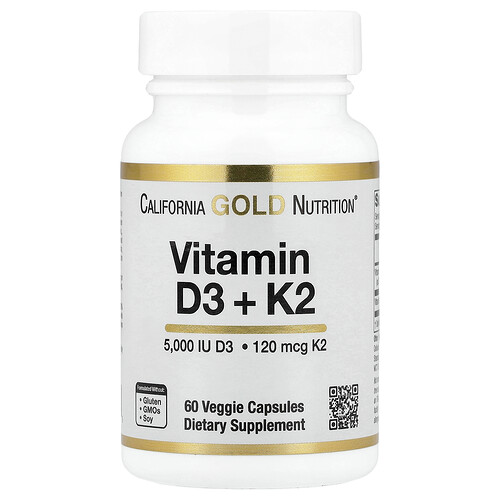
Best for: For those who want the classic D3 and K2 pairing in a highly readable, plant-based format.
Pros
- Includes K2 as MK-7 for a longer half-life
- Plant-based capsules suit vegetarian stacks
- Straightforward label with no unnecessary fillers
Cons
- Requires taking with a fatty meal for absorption
- No built-in lipid carrier
What to watch: If you are on blood thinners, consult a doctor before adding any form of K2 to your routine.
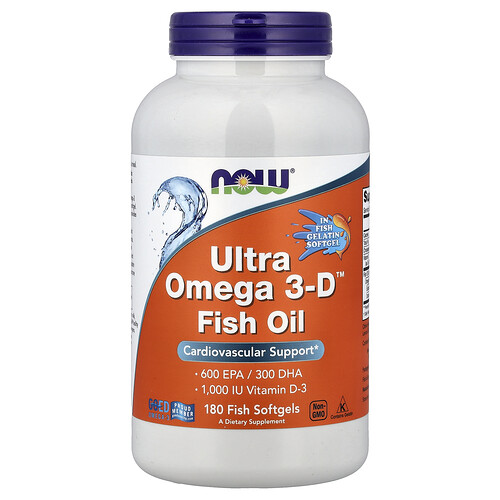
Best for: For those who want their D3 delivered with a built-in fat source to ensure the composition pops.
Pros
- Combines EPA/DHA with D3 in one softgel
- Fish gelatin softgel provides excellent stability
- Eliminates the need to time your dose with a fatty meal
Cons
- Large pill size can be difficult to swallow
- Lacks Vitamin K2
What to watch: Check with a doctor if you have seafood allergies or are taking anticoagulants, as fish oil can thin the blood.
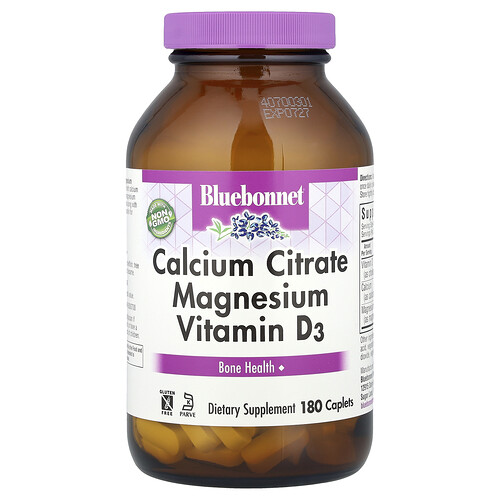
Best for: For those looking to build a structural foundation with a multi-mineral approach.
Pros
- Uses highly absorbable calcium citrate
- Includes magnesium to balance the calcium load
- Provides a comprehensive bone support stack
Cons
- Requires taking multiple capsules per serving
- D3 dose is relatively low compared to standalone options
What to watch: High calcium intake from supplements should be monitored by a physician to avoid the risk of kidney stones.
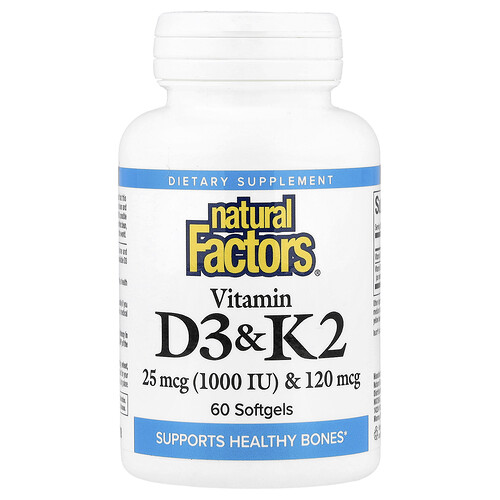
Best for: For a balanced, daily maintenance thumbnail that won't overwhelm your system.
Pros
- Sensible 1,000 IU dose for daily maintenance
- Solid 120 mcg dose of K2 to direct calcium
- Small, easy-to-swallow softgels
Cons
- May be too low of a D3 dose for severe deficiencies
- Only provides a 60-day supply per bottle
What to watch: Always verify with a professional if this maintenance dose meets your specific metabolic brief, especially in winter months.
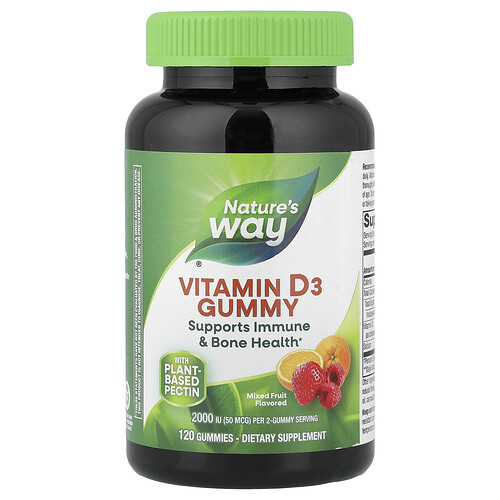
Best for: For anyone who struggles with pill fatigue and needs an accessible, easy-to-take format.
Pros
- Great taste encourages daily compliance
- Solid maintenance dose of 1,000 IU
- No water needed to take your daily dose
Cons
- Contains added sugars
- Completely lacks Vitamin K2
What to watch: Keep out of reach of children who might mistake these for regular candy and consume too many.
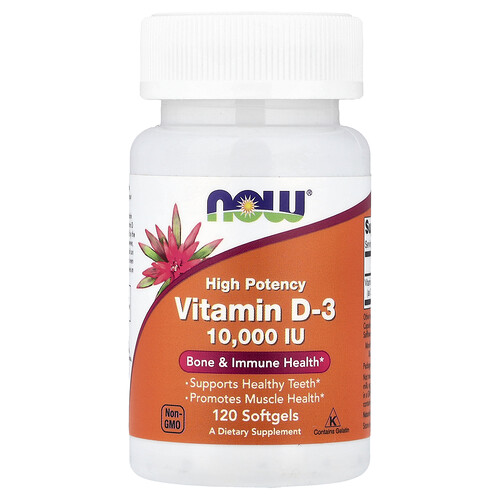
Best for: For users who have been specifically instructed by a professional to run a high-potency correction.
Pros
- Very high IU count per softgel
- Suspended in a highly readable olive oil base
- Extremely cost-effective per dose
Cons
- Lacks K2 to help manage the massive calcium influx
- Dose is too high for unmonitored daily use
What to watch: Vitamin D toxicity is real; do not run this high of a dose without a doctor regularly checking your blood levels.
Looking at the public data for these formulas, reading a supplement label is a lot like reviewing an art drop. You need to see how the elements work together. Does the D3 have a lipid carrier to help it pop? Is there K2 to define the silhouette and direct the calcium where it needs to go? Or is it just a massive, unrefined dose that lacks composition? We are going to break down the different forms and dosing strategies available right now, so you can figure out which one actually fits your daily brief.
Remember, I am an art director, not a physician. Supplements are not medicines, and they do not cure or diagnose conditions. If you are looking to correct a deficiency, a doctor needs to be the one setting your baseline requirements.
Does vitamin D3 always need to be paired with K2?
It depends on your specific brief, but pairing them helps direct calcium to your bones instead of your arteries. D3 pulls the calcium in, and K2 acts like the art director telling it exactly where to go on the canvas.
When you take D3 alone, especially in higher doses, your body absorbs more calcium from your diet. Without K2—specifically the MK-7 form, which has a longer half-life—that calcium can end up depositing in soft tissues. Think of D3 and K2 as complementary colors; they just work better when they are placed next to each other. If you are taking a standalone D3, you usually need to ensure you are getting K2 from your diet or another part of your stack to keep the composition balanced.
Why do some formulas include omega-3s or fish oil?
Vitamin D is fat-soluble, meaning it needs a lipid carrier to actually absorb into your system. Think of omega-3s as the primer on your canvas; without it, the active ingredients just slide off.
Many standard D3 capsules are dry powders that require you to time your dose with a heavy, fatty meal. By suspending the D3 in an omega-3 fish oil base, the manufacturer is essentially doing the prep work for you. It guarantees that the vitamin has the fat it needs to be processed by your body, while also delivering EPA and DHA fatty acids. It is an elegant, two-in-one solution for readability and absorption, though it does mean the softgels are usually much larger.
Is a 10,000 IU dose too high for daily use?
A 10,000 IU dose is generally considered a short-term intervention rather than a daily maintenance baseline, and a doctor should make that call. You wouldn't use your absolute brightest highlight color for the entire background.
High-potency formulas exist for a reason—usually to rapidly correct a documented deficiency under professional supervision. If you run a 10,000 IU dose indefinitely without blood work, you risk vitamin D toxicity, which can lead to hypercalcemia. For a daily maintenance portfolio, most public health guidelines suggest a much lower silhouette, typically around 1,000 to 2,000 IU, depending on your climate and lifestyle.
Are gummies as effective as softgels or capsules?
Gummies can deliver the active ingredient effectively, but they often introduce sugars and lack the precise stability of an oil-based softgel. They are the quick sketch of the supplement world—accessible, but maybe not the most robust final render.
If you suffer from pill fatigue and a gummy is the only way you will actually hit your daily brief, then it is a perfectly valid choice. Compliance is half the battle. However, you have to read the label carefully. Gummies rarely include K2, they often lack a high-quality fat source for absorption, and the active ingredients can degrade faster than they would in a sealed softgel. You are trading a bit of technical perfection for ease of use.
This article is not medical advice. Food supplements replace neither a balanced diet nor treatment — if you have symptoms, your doctor decides.
Ad · affiliate links · If you buy through these links, we earn a commission.