The Best Probiotics for Gut Health: 2026 Shortlist
The best probiotic is not automatically the one with the biggest CFU number. I ranked these 2026 picks by format, audience, dose, value, and how clearly the label supports your buying decision.

A common portfolio mistake is treating every impressive number as a finished piece. Probiotics have the same problem: a large CFU count can look like the headline feature, but it does not tell you whether the dose form, strain information, added prebiotics, or daily routine suit your actual needs.
At a glance
| Product | Price | Rating | Best for |
|---|---|---|---|
| California Gold Nutrition LactoBif® 30, 30 Billion CFU, 60 Capsules | €22.34 | ★★★★★ 4.7 · 168,125 reviews | For shoppers who want a balanced capsule option with a substantial review history. |
| Enzymedica Digest Basic® + Probiotics, 90 Capsules | €21.73 | ★★★★★ 4.8 · 12,444 reviews | For someone who wants a digestion-focused combination format rather than a probiotic-only listing. |
| Nature's Way Fortify® Women's, 30 Billion CFU, 30 Capsules | €21.91 | ★★★★★ 4.7 · 915 reviews | For women who specifically want a delayed-release prebiotic and probiotic formula. |
| Nature's Way Acidophilus Probiotic Pearls®, 1 Billion CFU, 30 Softgels | €13.84 | ★★★★★ 4.6 · 972 reviews | For a shopper who prefers a softgel and wants a lower-dose entry point. |
| Micro Ingredients Probiotics, 120 Vegetarian Capsules | €23.30 | ★★★★★ 4.8 · 319 reviews | For buyers who value a large capsule count and a highly rated vegetarian format. |
| Jarrow Formulas Jarro-Dophilus® EPS, 25 Billion CFU, 60 Vegetarian Capsules | €76.23 | ★★★★★ 4.7 · 1,728 reviews | For shoppers considering a premium-priced, clearly dosed vegetarian capsule option. |
| Renew Life Ultimate Flora™ Pre & Probiotic, 90 Vegan Capsules | €99.01 | ★★★★★ 4.6 · 1,070 reviews | For shoppers who want a larger vegan supply in a delayed-release prebiotic and probiotic format. |
| Sunbiotics Friendlyrier Flora Women's Blend, 56 g Powder | €23.90 | ★★★★★ 4.5 · 74 reviews | For women who would rather mix a powder than swallow a daily capsule. |
Our picks: Probiotics for Gut Health

For shoppers who want a balanced capsule option with a substantial review history.
Pros
- 30 Billion CFU
- 60 vegetarian capsules
- 4.7/5 from 168,125 reviews
Cons
- Strain details are not disclosed in the supplied data
- Storage and allergen information need a label check
What to watch: Check the current label for named strains, serving directions, storage requirements, and allergens before use.

For someone who wants a digestion-focused combination format rather than a probiotic-only listing.
Pros
- 90 capsules
- Digest Basic® plus probiotics positioning
- 4.8/5 from 12,444 reviews
Cons
- The exact ingredient blend is not disclosed
- Not the clearest choice if you want probiotics alone
What to watch: Review the full supplement panel carefully because the supplied data does not identify the added ingredients or serving size.

For women who specifically want a delayed-release prebiotic and probiotic formula.
Pros
- 30 Billion CFU
- Delayed-release capsule format
- Women-focused prebiotic and probiotic formula
Cons
- Only 30 capsules
- Not a probiotic-only formula
- Prebiotic ingredients and amounts are not disclosed
What to watch: Check the ingredient panel and ask a pharmacist if added prebiotics may conflict with your digestive sensitivities or medication.
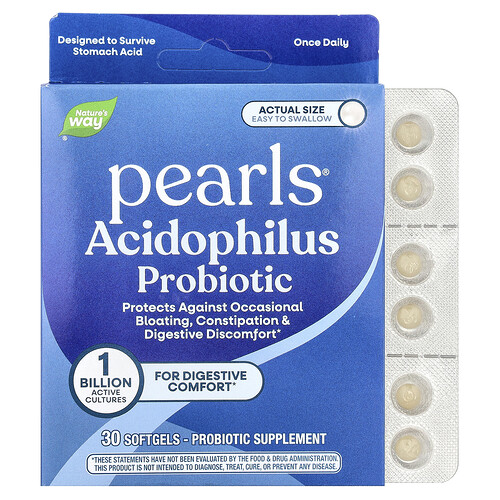
For a shopper who prefers a softgel and wants a lower-dose entry point.
Pros
- Softgel dose form
- 1 Billion CFU is clearly stated
- Compact 30-softgel supply
Cons
- Lower stated CFU than several other picks
- Only 30 softgels
- Strain and storage details are not disclosed
What to watch: Do not compare this product by CFU alone; check the named strain, serving directions, and expiration handling on the package.

For buyers who value a large capsule count and a highly rated vegetarian format.
Pros
- 120 vegetarian capsules
- 4.8/5 rating
- Large supply for routine-focused shoppers
Cons
- CFU amount is not disclosed in the supplied data
- Strains and serving size need verification
What to watch: Confirm the daily serving and CFU guarantee before assuming the larger bottle offers better value.
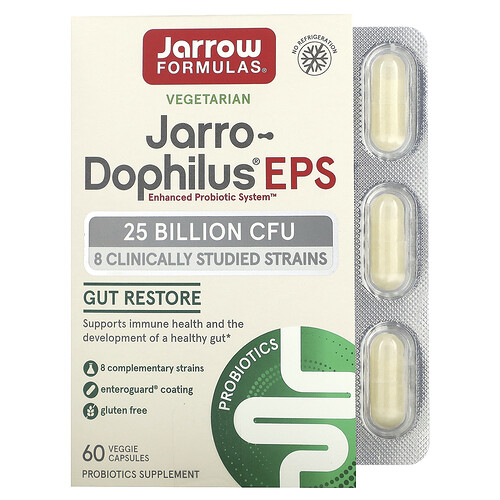
For shoppers considering a premium-priced, clearly dosed vegetarian capsule option.
Pros
- 25 Billion CFU
- 60 vegetarian capsules
- 4.7/5 from 1,728 reviews
Cons
- Premium price tier
- The EPS delivery details are not explained in the supplied data
- Storage instructions need a label check
What to watch: Verify what the current label guarantees about strains, storage, and CFU through expiration before paying the premium.

For shoppers who want a larger vegan supply in a delayed-release prebiotic and probiotic format.
Pros
- 90 vegan capsules
- Delayed-release format
- Combines prebiotics and probiotics
Cons
- Highest price tier among these selections
- Rating is 4.6/5 from 1,070 reviews
- Dose and prebiotic blend are not disclosed
What to watch: Check the complete ingredient panel and serving directions, especially if you are sensitive to prebiotic ingredients.

For women who would rather mix a powder than swallow a daily capsule.
Pros
- Powder dose form
- 56 g quantity
- Combines prebiotics and probiotics
Cons
- Serving size and CFU amount are not disclosed
- Taste and mixing instructions are not provided
- 4.5/5 from 74 reviews
What to watch: Confirm the scoop size, CFU guarantee, mixing directions, and complete ingredient list before opening the pouch.
So I approached this as an editorial shortlist, not a promise of a medical result. I compared the permitted product data by listed dose, capsule count, delivery format, audience, price tier, rating, and review volume. Where the supplied information does not disclose strains, serving directions, storage requirements, allergens, or the exact prebiotic blend, I have called that out rather than filling the gap with marketing language.
You should also keep the category in perspective. A food supplement is not a medicine, and a probiotic cannot diagnose or treat a gut condition. If you have persistent pain, bleeding, unexplained weight change, severe diarrhoea, immune problems, or you are taking regular medication, medical questions belong with a doctor or pharmacist before you shop.
How do you choose a probiotic for gut health?
Start with the routine you can follow, then check the label for strains, CFU information, serving size, storage, and unnecessary extras. A capsule may be convenient, while a delayed-release capsule, softgel, or powder may suit a different preference, but format alone does not prove effectiveness.
I would not rank these products by CFU count alone. The most useful comparison is whether the product gives you a clear reason to choose it: a practical count, a particular dose tier, a women-focused formula, a combined prebiotic and probiotic format, or a powder option. If the listing does not disclose the strain names or the point at which CFUs are measured, that is a real limitation for comparison.
The cards below are ordered for different buying situations rather than pretending there is one universal winner. Ratings and review counts are useful signals of customer response, but they are not clinical evidence and they do not replace reading the current package label.
Is a higher CFU count always better for gut health?
No. A higher CFU number is only one part of the brief, and it should not be used as a shortcut for quality or suitability. Dose needs vary by product, and a very high-count formula may be unnecessary for someone who wants a simpler starting point.
Look for the full label context: named strains, the recommended serving, expiration information, storage instructions, and whether the stated CFU count is guaranteed through expiration or only at manufacture. Those details are not disclosed consistently in the supplied listings, so you should verify them before checkout.
I also prefer you to think in terms of fit. Someone who dislikes swallowing capsules may be better served by a powder; someone who wants a combined format should not accidentally buy a probiotic-only product; and someone with a sensitive digestive system may want to discuss added prebiotics with a healthcare professional. More ingredients are not automatically more useful.
Should you buy a probiotic with prebiotics included?
Only if the combined format matches your preference and your healthcare context; prebiotics are not a universal upgrade. They can make a product more appealing to shoppers seeking an all-in-one formula, but the supplied data does not identify every prebiotic ingredient or its amount.
That missing detail matters. If you are prone to digestive discomfort, checking the complete ingredient panel is especially sensible. “Prebiotic” is a category label, not a complete explanation of what is inside the capsule or powder. You should also check for allergens, sweeteners, and other additives if those are relevant to you; they are not disclosed in the product data provided for this roundup.
For a first purchase, I would avoid stacking several formulas at once. Choose one product, follow its label, and keep notes on tolerance and routine. If symptoms are significant or continue, stop treating the supplement aisle as a diagnostic tool and speak with a doctor.
What should you check before ordering probiotics online?
Check the current label, serving directions, strain list, CFU guarantee, storage instructions, capsule or powder format, and any ingredients you need to avoid. Online listings can be useful for narrowing the field, but the package is the final brief.
The supplied data gives us useful basics such as count, stated dose, format, price, rating, and review volume for the selected products. It does not consistently provide strain breakdowns, allergen statements, expiration handling, or interaction guidance. That means the most honest recommendation is sometimes “check before buying,” not “this is right for everyone.”
Pay attention to the economics as well. A larger bottle is not automatically better value if the serving size is unclear, and a lower price is not proof that a product is weaker. Compare the number of capsules or the powder quantity with the stated daily serving, then decide whether the routine is realistic for your budget and habits.
Which probiotic would I buy first?
I would start with position one for a shopper who wants a balanced, capsule-based option with a substantial review history, 60 capsules, and a clearly stated 30 Billion CFU dose. It is the most straightforward first shortlist choice, provided the current label supplies the strain and storage details you need.
For a woman seeking a combined prebiotic and probiotic format, position three is the more targeted starting point; for someone who dislikes capsules, position eight deserves attention. No position is a substitute for medical advice or a label check.
This article is not medical advice. Food supplements replace neither a balanced diet nor treatment — if you have symptoms, your doctor decides.
Ad · affiliate links · If you buy through these links, we earn a commission.