The Structural Substrate: An Analysis of Protein Supplement Matrices
The structural integrity of the human framework relies on precise amino acid ratios, much like a stable emulsion requires exact proportions of stand oil and solvent.
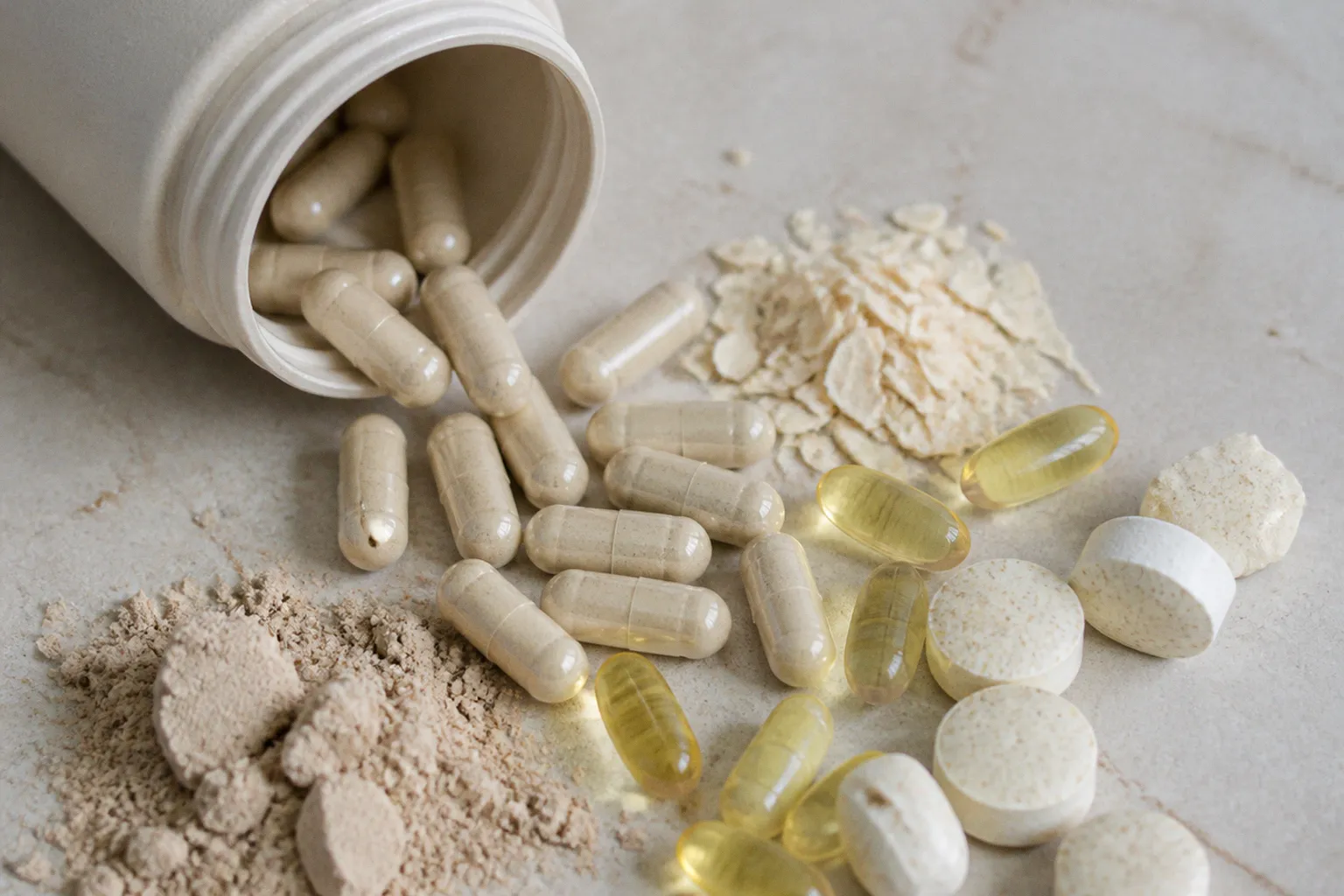
Maintaining edge control in shadow areas requires a binder with exact viscosity. Similarly, maintaining nitrogen balance in human tissue demands a protein substrate with a specific amino acid profile. The raw material—whether isolated whey, hydrolyzed collagen, or plant-derived precursors—dictates the tensile strength of the biological canvas. We are not evaluating flavor profiles; we are measuring the structural yield of the active ingredient.
| Product | Price | Rating | Best for |
|---|---|---|---|
| Labrada Nutrition Lean Body Protein Shake Drink Mix, 1.120 g | €55.87 | ★★★★★ 4.5 · 299 reviews | A dense, multi-layered macronutrient suspension for sustained structural support. |
| Animal Balanced Meal Protein Powder, 2.27 kg | €115.39 | ★★★★★ 4.7 · 129 reviews | A high-volume, heavy-impasto protein matrix for maximum structural reinforcement. |
| Vital Proteins Collagen Peptides, Unflavored, 567 g | €57.44 | ★★★★★ 4.8 · 38,395 reviews | A low-viscosity, unflavored sizing agent for connective tissue repair. |
| Bariatric Advantage HPMR, Chocolate, 1.260 g | €80.08 | ★★★★☆ 4.3 · 9 reviews | A clinically calibrated, high-protein medium designed for altered gastrointestinal architectures. |
| Nutricost Multi Collagen Protein Complex, Unflavored, 486 g | €17.08 | ★★★★★ 4.8 · 28 reviews | A multi-source peptide blend providing a broad spectrum of connective tissue precursors. |
| Sunwarrior Plant-Based Collagen Builder Peptides, 500 g | €41.15 | ★★★★☆ 4.4 · 2,567 reviews | A synthetic botanical binder containing the necessary precursors for endogenous collagen production. |
| Vibrant Health Maximum Vibrance Plant-Based Blend, 724.5 g | €89.19 | ★★★★★ 4.6 · 129 reviews | A heavily pigmented, plant-based protein matrix loaded with botanical micronutrients. |
| Nutricost Bone Broth Protein, Chicken, 430 g | €37.62 | ★★★★★ 4.5 · 22 reviews | An organic, single-source protein isolate derived directly from fundamental structural tissues. |
Editors' pick
Labrada Nutrition Lean Body Protein Shake Drink Mix, 1.120 g — A dense, multi-layered macronutrient suspension for sustained structural support.
Our picks: Structural Protein and Peptide Matrices
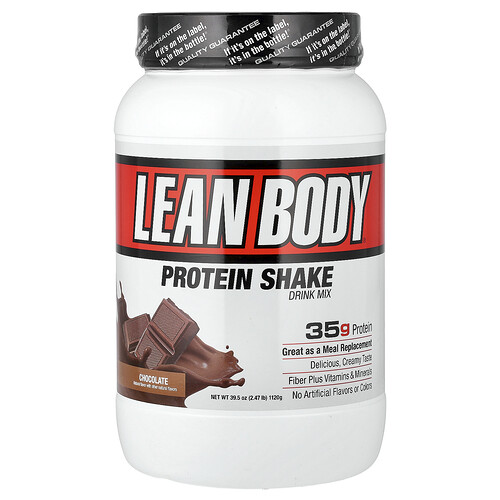
A dense, multi-layered macronutrient suspension for sustained structural support.
Pros
- High protein yield per application
- Sustained amino acid release kinetics
- Complex macronutrient binder stabilizes absorption
Cons: High viscosity may cause gastric delay · Significant caloric density requires active metabolic expenditure
What to watch: The dense caloric and macronutrient profile requires active metabolic expenditure to prevent unwanted lipid storage.
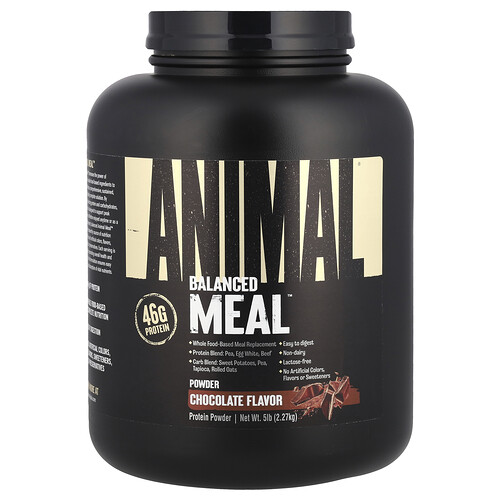
A high-volume, heavy-impasto protein matrix for maximum structural reinforcement.
Pros
- Massive 2.27 kg substrate volume
- Complete essential amino acid profile
- Engineered for heavy metabolic loads
Cons: Highly complex formulation may overwhelm sensitive digestion · Requires significant liquid volume for proper suspension
What to watch: The sheer density of the formulation demands robust enzymatic activity for complete assimilation.
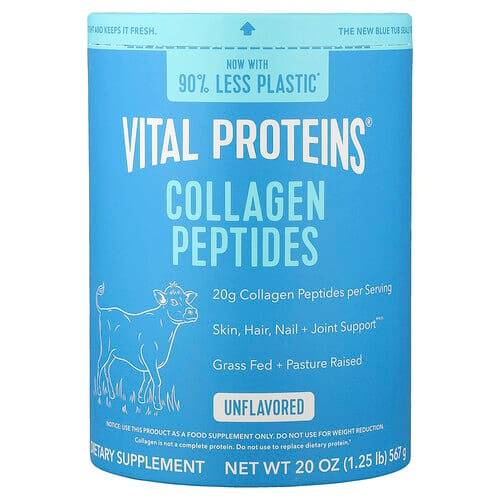
A low-viscosity, unflavored sizing agent for connective tissue repair.
Pros
- Hydrolyzed for rapid substrate penetration
- High glycine and proline concentration
- Neutral refractive index allows seamless integration
Cons: Incomplete amino acid profile for muscle synthesis · Lacks the essential amino acid tryptophan
What to watch: Must not be utilized as a primary protein source for muscle anabolism due to its specialized, incomplete peptide structure.
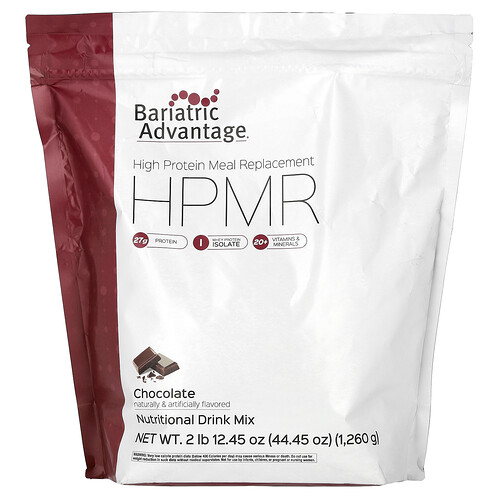
A clinically calibrated, high-protein medium designed for altered gastrointestinal architectures.
Pros
- Exacting macronutrient ratios
- Formulated for rapid assimilation in compromised systems
- High structural yield per serving
Cons: Highly specific clinical use case · Flavor profile engineered for utility over palatability
What to watch: Engineered specifically for post-bariatric anatomy; standard metabolic systems may not require such calibrated pre-digestion.
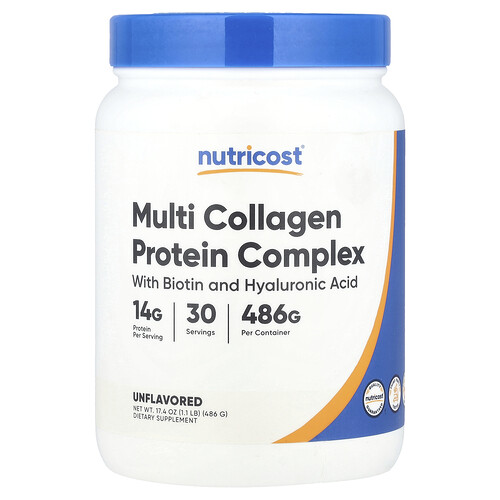
A multi-source peptide blend providing a broad spectrum of connective tissue precursors.
Pros
- Combines multiple collagen types into a single matrix
- Unflavored for controlled application
- Provides diverse structural precursors
Cons: Complex sourcing introduces variable absorption rates · Lower molecular weight consistency compared to single-source isolates
What to watch: The presence of multiple collagen sources increases the probability of minor gastrointestinal reactivity in sensitive individuals.

A synthetic botanical binder containing the necessary precursors for endogenous collagen production.
Pros
- 100% plant-derived substrate
- Provides required co-factors for peptide synthesis
- Avoids all animal-derived raw materials
Cons: Does not contain actual intact collagen peptides · Relies entirely on the body's internal synthesis mechanisms
What to watch: Efficacy is entirely dependent on the user's endogenous ability to convert provided amino acids into structural collagen.
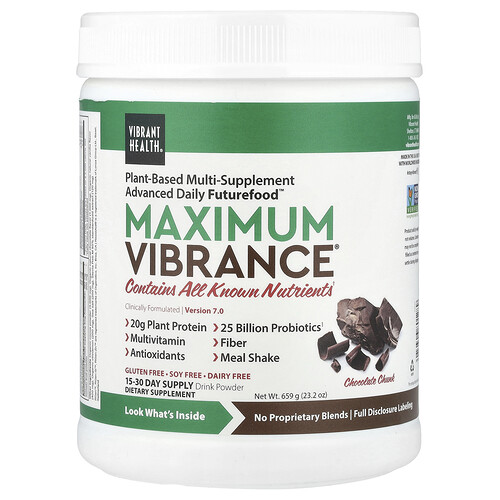
A heavily pigmented, plant-based protein matrix loaded with botanical micronutrients.
Pros
- Exceptionally dense micronutrient profile
- Complete plant protein blend
- Acts as a comprehensive biological glaze
Cons: High particulate matter affects texture · Botanical complexity may alter absorption of primary proteins
What to watch: The extreme density of botanical extracts may interact with specific hepatic enzymes or prescribed medications.
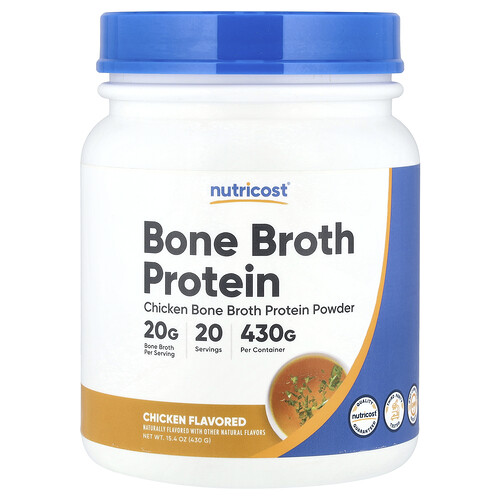
An organic, single-source protein isolate derived directly from fundamental structural tissues.
Pros
- Natural matrix of collagen and trace minerals
- High bioavailability of raw materials
- Requires minimal chemical processing
Cons: Distinct flavor profile limits mixing options · Lower total protein yield per gram than isolated whey
What to watch: The high sodium and mineral content inherent to bone broth requires monitoring in sodium-restricted regimens.
Evaluating these compounds requires an understanding of their molecular weight and absorption kinetics. A hydrolyzed collagen peptide acts like a thin wash of raw umber—rapidly absorbed, penetrating the porous ground layer of connective tissue. Conversely, a dense meal replacement matrix functions as an impasto application, providing a sustained release of amino acids through a complex suspension of macronutrients. The selection depends entirely on whether the objective is to size the canvas or build the surface texture.
How does the molecular weight of the protein form affect assimilation?
Hydrolyzed forms demonstrate lower molecular weight, allowing immediate penetration into the biological substrate. Intact protein structures require enzymatic breakdown, delaying the release of amino acids into the bloodstream. Much like cold-pressed linseed oil requires oxidation to polymerize over days, complex proteins require gastric acid and pepsin to cleave their peptide bonds over hours. Hydrolyzed collagen bypasses this entirely, offering a low-viscosity solution that assimilates with the speed of a volatile solvent like turpentine. The structural result is a rapid spike in plasma amino acids, ideal for immediate tissue repair but insufficient for sustained anabolic pressure.
What defines the structural difference between collagen peptides and complete protein matrices?
Collagen provides a concentrated dose of glycine, proline, and hydroxyproline, which are essential for connective tissue but lack the complete essential amino acid profile required for muscle synthesis. Complete matrices supply all nine essential amino acids necessary for building dense, striated tissue. Collagen is the rabbit skin glue used to size the raw canvas; it prevents the subsequent layers from rotting the fibers, but it is not the paint itself. For the heavy impasto work of muscular hypertrophy, a complete amino acid profile—often found in whey isolates or precisely engineered plant blends—is the required pigment load. Attempting to build muscle mass with collagen alone is equivalent to attempting to build texture with pure stand oil; the structure will inevitably collapse.
When is a high-yield meal replacement matrix structurally necessary?
A complex matrix is required when the metabolic demand exceeds the capacity of isolated amino acids, necessitating a sustained release of macronutrients. These formulations act as a complete medium, combining proteins with stabilizing lipids and complex carbohydrates. Applying a single layer of cadmium red light over a white ground yields high chroma but low structural depth. A high-protein meal replacement provides the underpainting, the mid-tones, and the final glaze in a single, dense application. Products in this category utilize a heavy suspension of proteins to maintain a prolonged anabolic state without the structural collapse associated with rapid gastric emptying. They are engineered for environments where caloric and structural demands outpace the efficiency of standard dietary intake, though their high viscosity demands robust digestive capability.
This article is not medical advice. Food supplements replace neither a balanced diet nor treatment — if you have symptoms, your doctor decides.
Ad · affiliate links · If you buy through these links, we earn a commission.